

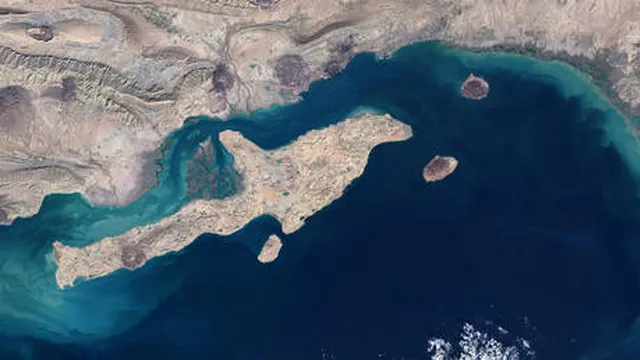
Iran blames US for reckless military actions in the Strait of Hormuz
Iran blames US for reckless military actions in the Strait of Hormuz
- The US military has executed strikes on Iranian-flagged oil tankers in the Gulf of Oman, asserting they were breaching a blockade.
- Iran's Foreign Minister Abbas Araghchi condemned the US actions as occurring only when diplomatic resolutions are on the horizon.
- Tensions continue to rise as both nations engage in military actions, complicating prospects for peace and stability in the region.
Story
Iran, facing escalating tensions with the United States, has accused Washington of engaging in reckless military actions against Iranian vessels in the Strait of Hormuz. The conflict intensified on May 8, 2026, when the US military struck two Iranian-flagged oil tankers in the Gulf of Oman, asserting that these vessels were attempting to breach a maritime blockade implemented by the US. The blockade aims to enhance freedom of navigation and curb Iranian influence in the region, yet has raised concerns about escalating hostilities. Iran's Foreign Minister Abbas Araghchi condemned the US actions, suggesting they occur whenever diplomatic opportunities arise, claiming that Iran would never yield to external pressure. Meanwhile, the US Central Command emphasized its commitment to ensuring maritime security and stability, leading to further military engagements that have left several vessels damaged and raised prices in global oil markets. The Strait of Hormuz is a strategic waterway, through which a significant percentage of the world's oil passes. Control over this strait is crucial for global energy security. The ongoing conflict stems from a larger backdrop of tensions fueled by accusations of aggression from both sides, as the US insists that maintaining a blockade is necessary to secure navigation. On May 9, 2026, US forces confirmed that they had engaged in action against Iranian vessels, reporting precision strikes, while Iranian military officials stated their readiness to retaliate. This back-and-forth further complicates any approaching negotiations, with US Secretary of State Marco Rubio expressing hope that discussions with Iran would yield serious proposals. The war initiated by Israel and the US in February 2026 has exacerbated the situation, leading to a fragile ceasefire that has been repeatedly violated. As both nations engage in sporadic exchanges of fire, the stakes continue to rise with claims of violated ceasefires and targeted strikes on civilian areas. Iran views control of this strategic strait as a pivotal bargaining chip in negotiations, equating its significance to that of nuclear capabilities. Iranian officials have indicated a willingness to influence the legal framework surrounding the Strait of Hormuz to reflect their claims and ambitions, while the US responds with militaristic measures aimed at sustaining their interests in the region. As the military dynamics evolve, regional allies and international mediators are urged to intervene, with discussions of peace remaining tenuous at best amidst ongoing violence and mutual distrust.


