

Pakistan boycotts T20 World Cup match against India amid geopolitical tensions
Pakistan boycotts T20 World Cup match against India amid geopolitical tensions
- Pakistan's government mandated a boycott of the T20 World Cup match against India to show support for Bangladesh.
- India confirmed its intention to participate in the match despite the boycott announcement.
- The tournament faces significant implications on both cricket relations and local economics if the boycott proceeds.
Story
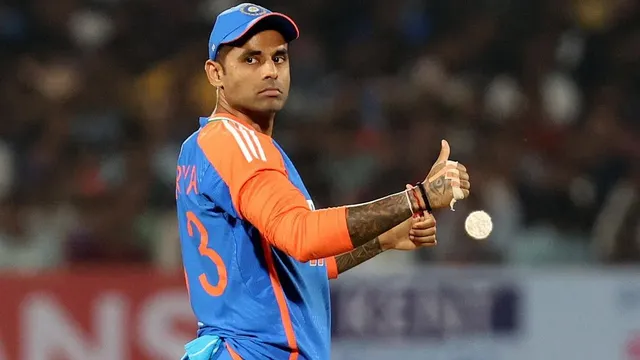
In February 2026, the cricket world faced significant tension as Pakistan announced its boycott of a scheduled T20 World Cup match against India, set to take place on February 15 in Colombo. This decision followed Pakistan's government directive, which expressed solidarity with Bangladesh, highlighting ongoing geopolitical strife in South Asia. Bangladesh had previously withdrawn from the tournament, leading to Scotland replacing them due to security concerns over playing in India. With growing diplomatic rifts between the two cricket-obsessed nations, this denial of a historic encounter is seen as detrimental to the game and its fans. India, the top-ranked T20 team, remained committed to participating in the match, firmly stating that they had booked their flights and were ready to play despite Pakistan’s refusal. India's captain Suryakumar Yadav emphasized that they had not declined to play, illustrating the contrasting positions of the two teams ahead of this significant match. Pakistan's captain Salman Agha reinforced that the decision to boycott was beyond the players' control, attributing it to governmental influence. The ramifications of this boycott are wide-ranging, potentially impacting not only the teams' progress in the tournament but also the economic aspects surrounding it, particularly in Sri Lanka, the co-host of the World Cup. Sri Lanka Cricket officials urged their Pakistani counterparts to reconsider the boycott, fearing it could harm tourism and economic recovery in the wake of past crises. With ticket sales finalized and venue preparations in place, the Sri Lankan cricket board expressed concerns about the fallout from a match cancellation. The International Cricket Council (ICC) expressed its disappointment over Pakistan's decision, emphasizing the importance of maintaining competitive integrity in global sports. The ICC had previously concluded there were no security threats in India for participating teams, which left room for questions on Pakistan's motives. As the situation unfolded, experts suggested that this development might mark an unprecedented turn in cricket relations between India and Pakistan, where past history and current political tensions threaten the spirit of sportsmanship in one of cricket's most celebrated fixtures.
Context
impact economic impact data economic impact impact policy analysis analysis global insight global economic shift trends geopolitical analysis global analysis strategic impact data geopolitical insight global trends market strategic insight data trends global policy shift analysis strategic economic shift geopolitical policy market insight insight economic market analysis policy global shift geopolitical geopolitical policy impact impact insight geopolitical market geopolitical policy market data policy policy economic economic impact strategic market strategic global policy global analysis trends strategic trends economic shift analysis...


