

military conflicts
tragic
impactful
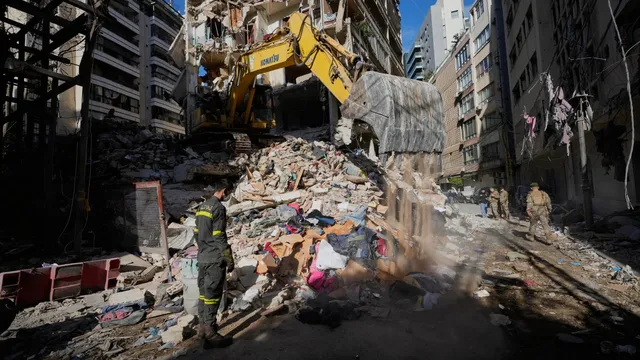
Israel escalates attacks on Lebanon despite ceasefire claims
Apr 8, 2026, 12:04 PM131
(Update: Apr 9, 2026, 9:18 PM)
city in the South Governorate of Lebanon, also an ancient Phoenician city and the legendary birthplace of Europa and Elissa (Dido)
military conflicts
tragic
impactful
Israel escalates attacks on Lebanon despite ceasefire claims
- Israeli forces conducted extensive air strikes in southern Lebanon, indicating a continuation of their military campaign against Hezbollah following a ceasefire announcement.
- Reports from Lebanese officials revealed that the recent attacks resulted in hundreds of civilian casualties, exacerbating the humanitarian crisis in the region.
- The situation reflects ongoing tensions between Israel, Hezbollah, and Iran, raising concerns about the potential for further escalation in the conflict.
Insights
News 13 13
Related reports
Opinions
Story
“
analysis trends data impact trends shift policy trends data global policy data shift strategic data global insight geopolitical strategic global economic global analysis trends trends geopolitical strategic market geopolitical economic policy geopolitical analysis insight impact economic impact trends global policy policy data insight data insight analysis insight data global geopolitical insight data insight global trends trends geopolitical insight policy impact analysis insight market market analysis shift insight data geopolitical geopolitical impact economic economic strategic trends policy insight data impact analysis...
2026 All rights reserved



2026 All rights reserved