

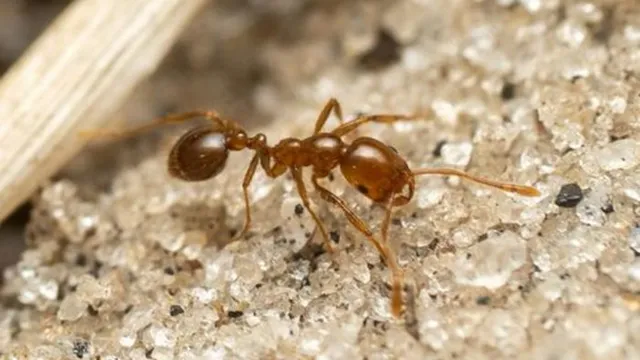
Fire ants threaten Australia’s economy and biodiversity
Fire ants threaten Australia’s economy and biodiversity
- A fire ant nest was identified and destroyed in Lamington National Park, raising alarms about the invasive species.
- The rapid response by authorities helped prevent the potential spread of this invasive species, which poses a significant threat to Australia’s ecology.
- If left unchecked, fire ants could result in approximately $2 billion in economic costs annually for Australia.
Story
A fire ant nest was discovered and destroyed in Lamington National Park, part of Queensland’s World Heritage-listed rainforest, raising concerns over the ecological impact of invasive species in the region. The presence of fire ants—a species not typically found in rainforest environments—illustrates their adaptability and the potential for widespread infestation across Australia. Researchers have indicated that if the ants continue to spread, they could lead to a devastating annual economic impact estimated at $2 billion, threatening both wildlife and agricultural productivity. This infestation could lead to increased medical appointments and pose risks to public health. The Invasive Species Council has deemed fire ants as one of the worst invasive threats to Australia’s unique biodiversity and ecosystems. Given that the ants can survive in harsh conditions and have methods of spreading such as forming rafts during floods or traveling through freight, the rapid response to destroy the newly found nest was crucial to preventing further spread. Failure to act on invasive species eradication can result in an economic burden that Australia may face indefinitely. The council's director, Reece Pianta, expressed alarm at the discovery of the fire ant nest within an environmentally critical rainforest, emphasizing the need for an immediate and robust response to manage invasive species effectively. He pointed out that bureaucratic delays in funding need to be addressed to ensure rapid action against fire ant infestations. The preservation of natural treasures like Lamington National Park relies on swift and efficient responses to environmental threats. As these invasive species continue to infiltrate delicate ecosystems, ongoing research aims to identify strategies to combat their spread. Pyrethroid insecticides have been in use as part of an eradication strategy, and governments have invested in public awareness programs to involve local communities in identifying and reporting potential infestations. Future efforts will require consistent funding and public cooperation to prevent the further encroachment of invasive species and protect Australia’s diverse wildlife.


