

San Francisco experiences massive power outage as traffic chaos ensues
San Francisco experiences massive power outage as traffic chaos ensues
- A significant power outage occurred in San Francisco, affecting 130,000 customers due to a fire at a PG&E substation.
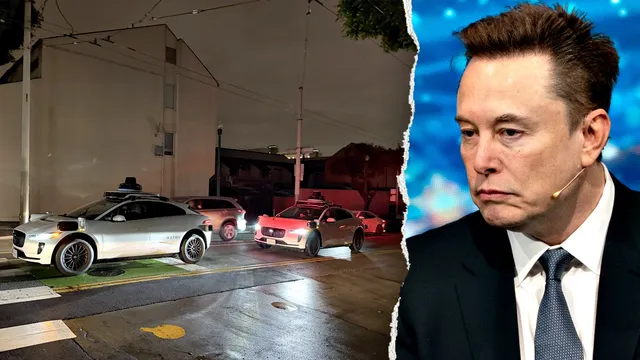
- The blackout caused chaos with self-driving cars stalled in the streets, leading to severe traffic disruptions.
- Following restoration efforts, PG&E reported that power was mostly restored, though some customers remained without electricity into the following day.
Story
In the United States, a massive power outage struck San Francisco on a Saturday, affecting approximately 130,000 homes and businesses. The disruptions began around 1:09 p.m. when residents reported their lights flickering before plunging into darkness. The outages reached their peak late in the afternoon, causing significant chaos, especially in transit and businesses as many operated during one of the busiest weekends before Christmas. Fire officials noted that the blackout was partly due to a fire that broke out at a Pacific Gas and Electric (PG&E) substation located at 8th and Mission streets, which took several hours to stabilize. As a result of the blackout, autonomous vehicles operated by Waymo were left stalled in the streets. The lack of operational traffic signals caused major traffic disruptions, as Waymo suspended its ride-hailing service due to the overwhelming number of its vehicles caught in traffic jams. San Francisco’s Department of Emergency Management urged residents to avoid unnecessary travel, emphasizing the disruption that led to significant challenges in moving around the city, especially near affected neighborhoods like Richmond, Presidio, Golden Gate Park, and parts of downtown. Response from PG&E crews was swift, with the company reporting they had restored power to about 95,000 customers by late Saturday night. Nevertheless, approximately 35,000 were still without power by the time nighttime fell. Officials indicated that the damage to the substation was considerable, leading to a complex repair process. The fire was officially brought under control by around 6 p.m., yet full restoration efforts remained ongoing, as the cause of the fire within the substation had yet to be clarified. By Sunday afternoon, approximately 14,000 customers were still in the dark, with PG&E expressing optimism about restoring power by the following Monday. The utility company warned customers to keep refrigerator doors closed and unplug appliances to prevent fire hazards while power was down. Overall, this power outage not only disrupted daily life in the city but also highlighted the fragility of urban infrastructure in the face of unexpected emergencies, as residents and local businesses struggled to manage the fallout caused by the blackout.
Context
Power outages in urban areas can be a significant disruption, impacting not only daily routines but also critical services and infrastructure. The causes of these outages can be numerous and complex, often arising from a combination of environmental factors, infrastructure inadequacies, and human activities. Understanding these factors is essential for improving resilience and ensuring a reliable power supply in densely populated urban settings. One of the primary causes of power outages is severe weather conditions, which include storms, heavy snowfall, and high winds that can damage power lines and related infrastructure. Flooding can also submerge electrical equipment, leading to failures. In urban areas, where the electrical grid is often already strained due to high demand, the impact of such weather events can be particularly pronounced. Additionally, climate change is exacerbating the frequency and severity of weather events, thereby increasing the risk of outages in cities around the world. Another significant contributor to power outages is the aging infrastructure of electrical grid systems. Many urban areas still rely on outdated technologies and systems that are ill-equipped to handle contemporary demand requirements. Equipment failures due to wear and tear can cause intermittent outages, especially if the utility agencies responsible for maintenance do not implement timely upgrades or repairs. Capacity issues can also arise, particularly during peak usage times, when demand for electricity surges and exceeds supply capabilities, resulting in controlled outages or brownouts. Human activities, including accidents, construction work, and even vandalism, also play a considerable role in causing power outages. Digging accidents during construction can accidentally sever underground power lines, while intentional acts of vandalism can disrupt service. Furthermore, operational errors within power management systems can lead to failures in transmission and distribution. Addressing these challenges requires coordinated efforts among utility companies, urban planners, and government agencies to implement preventive measures, invest in smarter grid technologies, and improve public awareness of electrical safety.


