

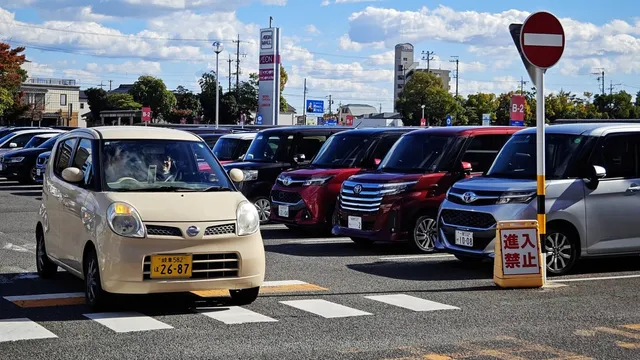
Trump promotes kei cars for American roads
Trump promotes kei cars for American roads
- President Donald Trump has expressed interest in bringing kei cars to the U.S.
- Kei cars, popular in Japan, face regulatory and manufacturing challenges in the U.S. market.
- Although difficult to introduce, kei cars could serve as affordable secondary vehicles for American families.
Story
In recent weeks, President Donald Trump has shown interest in introducing kei cars, a popular class of compact vehicles in Japan, to the United States market. These light trucks, typically costing around $10,000 and powered by engines with approximately 60 horsepower, are designed to cater to urban and rural driving needs. Due to their compact size, they are prevalent on narrow streets in Japan, serving as practical alternatives for daily errands. However, the U.S. market presents significant challenges for kei cars, including stringent import regulations that limit their availability to vehicles over 25 years old. One major hurdle lies in the manufacturing requirements; automakers would need to develop these vehicles from scratch to meet U.S. safety and emissions standards. Retrofits of existing models can be prohibitively expensive, creating reluctance among manufacturers to enter the kei segment. Furthermore, state laws vary widely, with some states prohibiting kei cars outright or restricting them to low-speed neighborhoods, which complicates their potential adoption. The growing price of larger vehicles in the U.S. may drive consumer interest in kei cars, as evidenced by recent comments from Trump regarding their attractiveness. He emphasized their affordability, safety, and fuel efficiency while suggesting that these cars could be a valuable addition to American families as secondary vehicles. Although their practical use may be limited in long-distance driving, the potential for kei cars in dense urban settings has sparked discussions among economists and transportation experts. Some suggest that cities like New York or Chicago might benefit from the incorporation of smaller vehicles, which could improve traffic flow and parking. Despite the challenges, the demand for small cars and imports is gradually increasing in the U.S., particularly due to their lower operating costs compared to traditional larger vehicles. If manufacturers address the regulatory compliance and logistical challenges, there may come a time when kei cars could become a common sight on American roads. However, achieving this vision will require cooperation between manufacturers, government entities, and consumers to facilitate an environment conducive to small vehicle adoption.


