

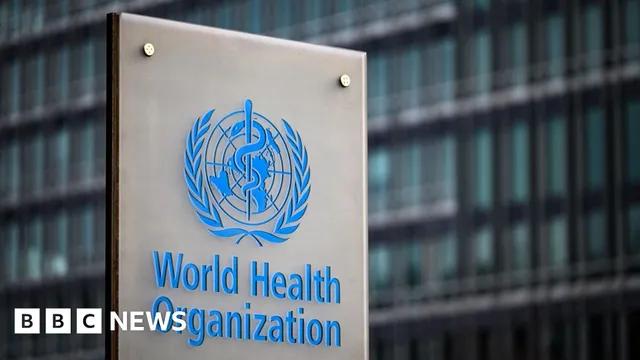
U.S. completes withdrawal from World Health Organization amid pandemic criticisms
U.S. completes withdrawal from World Health Organization amid pandemic criticisms
- The U.S. officially withdrew from the World Health Organization after a year of preparations that included an executive order by President Trump.
- Critics argue that this withdrawal could compromise the U.S. response to health crises and weaken global disease monitoring efforts.
- The U.S. departure from the WHO is seen as a significant shift in international health policy that raises concerns about future pandemic preparedness.
Story
The United States has finalized its departure from the World Health Organization (WHO), a process initiated by President Donald Trump through an executive order on his first day back in office in 2025. This decision followed long-standing frustrations regarding the WHO's handling of the COVID-19 pandemic, particularly accusations of it favoring China's response over the U.S. interests. Critics have pointed out that the withdrawal from such a crucial global health body may hinder effective disease surveillance and response strategies, especially during significant health crises such as the COVID-19 pandemic and seasonal flu outbreaks. The U.S. has historically been the largest financial contributor to the WHO, funding approximately 18 percent of its overall operations, further complicating the organization's financial viability without this support. As the U.S. exits the WHO, public health experts warn that this decision may ultimately place the American public at greater risk. The withdrawal has resulted in the U.S. losing access to critical health data and resources that are essential in pandemic preparedness and response efforts. Key figures like Ronald Nahass of the Infectious Diseases Society of America highlighted that global cooperation is essential for effective public health management, especially when dealing with infectious diseases that do not respect geographical boundaries. The ongoing flu season exemplifies the challenges faced in monitoring and combating viral strains without the collaborative framework previously established through the WHO. While the U.S. government insists that it will continue to engage in global health leadership through bilateral agreements with various countries, the effectiveness of these new approaches remains uncertain. The exit from WHO also dismisses established protocols regarding member responsibilities, including the nearly $270 million in unpaid dues that the U.S. owes. As the executive board of the WHO prepares to discuss the implications of the U.S. withdrawal, the consequences of this decision are still being debated across the public health community and state-level institutions. The debate captures broader tensions about accountability, governance, and international health diplomacy in the wake of the ongoing pandemic. Public health experts express concern over the long-term implications of the U.S.'s withdrawal from the WHO, as they believe that cooperation between countries is paramount for effective disease outbreaks management. The WHO has a long history of facilitating data sharing, logistical support for health crises, and global health initiatives. The United States’ decision to sever ties raises questions about the future landscape of public health coordination, response times for emerging health threats, and overall global health security.
Context
Global health cooperation is essential in an increasingly interconnected world where the health of one nation can significantly impact others. The emergence of global pandemics, such as COVID-19, has underscored the necessity of collaboration in addressing health threats that transcend borders. This cooperation involves sharing information, resources, and strategies to manage health crises and to ensure that all countries, regardless of their economic status, have access to adequate healthcare solutions. By fostering partnerships between governments, health organizations, and the private sector, nations can better prepare for and respond to global health challenges. Stronger international health cooperation can enhance research and development of vaccines and treatments, leveraging the expertise and resources of multiple countries. Joint initiatives can accelerate the timeline for developing medical responses, as global teams work together to pool their knowledge and capabilities. In addition to addressing immediate health concerns, ongoing collaboration in public health initiatives allows for a proactive approach towards preventing future outbreaks. It empowers countries to strengthen their health systems, ensuring robustness in the face of emerging health threats. Moreover, health cooperation promotes equity in health access across different populations. It allows for the establishment of frameworks where wealthier nations can support lower-income countries through knowledge transfer, funding, and logistical support. Such efforts are crucial in highlighting global disparities in health services and ensuring that health interventions reach the most vulnerable populations. Strengthening health systems in all countries, particularly in low- and middle-income regions, is not just a moral imperative but a global necessity, as it ultimately contributes to worldwide stability and security. In addition, global health cooperation is fundamental in addressing social determinants of health, such as education, poverty, and environment. Collaborative efforts can mobilize resources to tackle these underlying issues that affect health outcomes. Ensuring that health policies are inclusive and consider the diverse needs of populations fosters a more unified global response. As nations move forward in their public health strategies, an emphasis on collaboration will be vital for achieving sustainable health improvements worldwide, thereby ensuring the well-being of future generations.


