

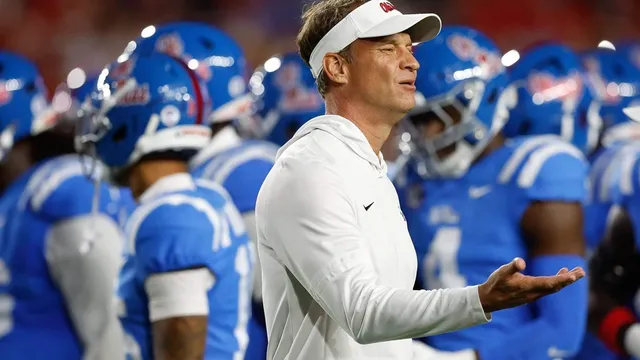
Lane Kiffin set to join LSU with a massive contract offer
Lane Kiffin set to join LSU with a massive contract offer
- LSU has offered Lane Kiffin a seven-year contract exceeding $90 million.
- Kiffin has expressed a desire to coach Ole Miss through the College Football Playoff.
- The college football community anticipates Kiffin's decision regarding his coaching future.
Story
On November 30, 2025, Lane Kiffin, the head coach of Ole Miss, is at a critical crossroads regarding his coaching career. LSU, a prominent college football program in the United States, has offered Kiffin a lucrative seven-year contract estimated to be worth over $90 million, aiming to secure him as their next head coach. This move comes after an impressive season for Ole Miss, where Kiffin guided the team to an 11-1 record, setting a new standard for the program and securing a spot in the College Football Playoff as they look to make a deep post-season run. The situation is compounded by emotional ties to Ole Miss, where Kiffin has developed a connection with both players and staff. Reports indicate he intends to meet with his current Ole Miss team before making a formal announcement regarding his decision. This meeting reveals the internal conflicts Kiffin is facing, as he balances the opportunity at LSU with the loyalty he feels towards the Ole Miss program. The timing is crucial, since LSU is eager to finalize their coaching situation as they seek to reclaim their status in the competitive college football landscape. Sources have indicated that Kiffin has yet to sign any formal agreements with LSU as of the latest updates circulated over the weekend. The discussions surrounding his potential exit appear to be fluid, with both Ole Miss and LSU driving the narrative. The situation is further complicated by the underlying pressures from LSU, which aims to have Kiffin on board quickly to prepare for the next season, while Ole Miss is reportedly reluctant to allow Kiffin to continue coaching in the playoffs should he choose to depart for LSU. Various factors contribute to the urgency surrounding Kiffin's decision. Beyond the financial allure of the contract, there's an underlying strategic appeal in leading a major program like LSU, which has a rich history of success, including three national championships in the past two decades. As Kiffin considers his future, the impacts of his choice will reverberate through both the Ole Miss and LSU football communities and throughout the Southeastern Conference (SEC) as a whole. As the deadline for his decision approaches, the college football world holds its breath, waiting to see if Kiffin will embrace this new challenge at LSU or remain loyal to Ole Miss during their imminent playoff campaign.
Context
The impact of coaching changes in college football is a significant topic of study due to the critical role that coaches play in the development, performance, and success of college football programs. Coaches not only shape the strategies and game tactics of their teams, but they also influence player recruitment, development, and retention. When a college football program experiences a coaching change, the implications can reverberate through many layers, affecting not just the present season but potentially the future of the program as well. A new head coach may bring a different philosophy, system, and culture, which can disrupt the established dynamics of the team and require players to adapt quickly to new expectations and methods of training. Furthermore, coaching changes often lead to a reevaluation of player roles, as the new staff may favor different skill sets or playing styles. This transition period can produce both challenges and opportunities for players, particularly for those who are trying to prove their worth or seeking to secure playing time. Additionally, the impact of a coaching change can be observed in recruiting efforts, as a new coach may have different connections, priorities, and strategies in attracting talent. A highly regarded coach might facilitate a surge in recruiting efforts, bringing in higher-rated prospects, while a less compelling hire could lead to a decline in the quality of future recruiting classes. The ripple effects can be profound, leading to varying levels of stability and success within the program. Existing players may transfer out in search of better opportunities, and incoming recruits may opt for other programs due to uncertainty about the direction of the team under new leadership. This shifting landscape can complicate the continuity of a football program and create an ambiguous future for those associated with it. Moreover, the immediate performance of a team often reflects the efficacy of the coaching change. Some programs experience a swift turnaround in fortunes, contesting for championships after a coaching switch, while others may struggle for years to regain their footing. Historical data indicates that teams making the transition to a new coach often face a period of adjustment that can lead to fluctuations in team performance. This uncertainty can also manifest in fan engagement and support, as the confidence in leadership can initially wane before potentially rebuilding through evidence of the coach’s effectiveness and vision for the program. The competitive nature of college football means that the pressure to succeed is immense, and poor performances in the immediate aftermath of a coaching change can lead to further scrutiny and tumult within the athletic department. In conclusion, the consequences of coaching changes in college football are multifaceted and influence various aspects of a program's culture, player dynamics, recruiting strategies, and overall performance. While coaching changes can sometimes lead to revitalized success, they also present risks that can sidetrack a program's trajectory. Understanding these effects requires a comprehensive analysis of both the short-term and long-term impacts, as well as acknowledgment of the unique character and needs of each football program. Stakeholders within college football must remain vigilant and adaptable as they navigate the complexities surrounding coaching changes, striving to align their decisions with the institution's goals and the best interests of student-athletes.


