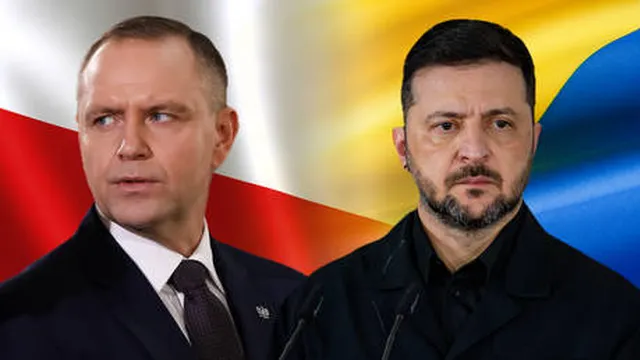
Poland and Ukraine share a complex and multifaceted history that has evolved significantly over the centuries. The relationship between the two nations has been shaped by a variety of factors, including territorial disputes, cultural ties, and political alliances. Historically, both countries have experienced periods of cooperation and conflict, particularly during the 20th century. The aftermath of World War I saw the establishment of independent states, but the interwar period was marked by tensions, particularly regarding the status of Eastern Galicia, a region with a mixed Polish and Ukrainian population. The shifting borders and the impact of the Soviet Union further complicated these relations, leading to significant strife during World War II, including the tragic events of the Volhynia massacre in 1943, where thousands of Poles were killed by Ukrainian nationalists. This dark chapter has left a lasting impact on Polish-Ukrainian relations, creating historical grievances that both nations have had to navigate in their quest for reconciliation.
In the post-war era, Poland and Ukraine were both under the influence of the Soviet Union, which further complicated their relationship. However, the fall of communism in the late 20th century opened new avenues for cooperation. The establishment of diplomatic relations in 1991 marked a significant turning point, as both countries sought to strengthen their ties in the face of a changing geopolitical landscape. Poland has been a strong advocate for Ukraine's integration into European structures, supporting its aspirations for EU and NATO membership. This support has been particularly evident during times of crisis, such as the 2014 annexation of Crimea by Russia and the ongoing conflict in Eastern Ukraine, where Poland has provided political and humanitarian assistance.
Cultural and social ties between Poland and Ukraine have also played a crucial role in shaping their relationship. Both nations share a rich history of cultural exchange, with significant Polish and Ukrainian communities residing in each other's countries. This cultural intermingling has fostered a sense of kinship and mutual understanding, which has been instrumental in promoting dialogue and cooperation. Initiatives aimed at commemorating shared history, such as joint memorials and cultural events, have been essential in addressing historical grievances and building a more positive narrative for future generations.
As of 2026, the relationship between Poland and Ukraine continues to evolve, driven by mutual interests in security, economic cooperation, and regional stability. The ongoing conflict in Ukraine has reinforced Poland's role as a key ally and supporter of Ukrainian sovereignty. Both nations are working together to address common challenges, including energy security and the threat posed by Russian aggression. The future of Polish-Ukrainian relations will likely depend on their ability to navigate historical complexities while fostering a spirit of cooperation and solidarity in the face of external pressures.