

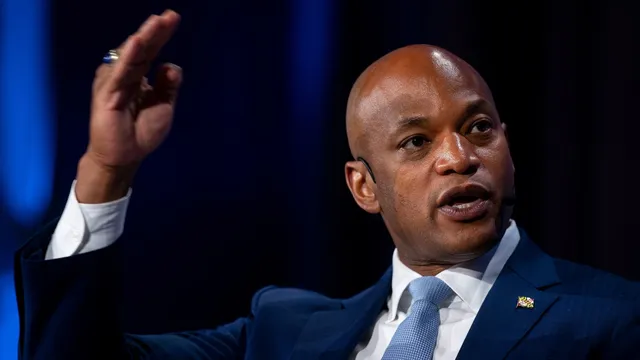
Maryland overrides governor's veto and moves forward with reparations commission
Maryland overrides governor's veto and moves forward with reparations commission
- Maryland lawmakers voted to create a commission to study reparations for slavery, overriding Governor Wes Moore's veto.
- The commission's preliminary report is due in 2027 and will evaluate potential remedies and compensation.
- This landmark decision marks Maryland's first steps towards addressing the legacy of slavery and racial discrimination.
Story
In Maryland, lawmakers took significant action by overriding Governor Wes Moore's veto to establish a commission that aims to explore potential reparations for the state's history of slavery and racial discrimination. This decision came during a vote on December 15, 2025, where the Senate voted 31-14 and the House approved 93-35, surpassing the required three-fifths majority in both chambers. Governor Moore, the only Black governor in the U.S., expressed disappointment in the veto override, suggesting that Maryland has already conducted considerable studies over the past 25 years regarding slavery's legacy and should prioritize policies to directly address racial disparities. Despite his initial objection, he expressed a willingness to collaborate with the legislature on the urgent issue of reparations, which gained traction after the racial unrest following George Floyd's murder in 2020. The proposed reparations measures could encompass several forms, such as official apologies, monetary compensation, property tax rebates, and support for social services. There are also provisions for alleviating debt, waiving fees for permits and licenses, and aiding individuals with down payments on homes. Furthermore, financial incentives for businesses and educational waivers for higher education are aspects of the reparations discussion. The commission is expected to submit a preliminary report by January 1, 2027, and a final report by November 1, 2027, with the commission's existence lasting until the summer of 2028. Support for reparations has gained momentum particularly since 2020, but the issue remains contentious, especially amid a conservative backlash against discussions of race and inequality in public discourse. This context often creates difficult positions for Democratic leaders as they balance their commitments to justice and the varied opinions of their constituents. The Legislative Black Caucus of Maryland regards the establishment of this reparations commission as a historical step toward addressing long-standing inequities faced by Black Marylanders, despite criticism from certain political figures who may view these measures as financially imprudent or divisive. Overall, the creation of this commission signals a new phase in Maryland's approach to rectifying historical injustices related to slavery and racial discrimination in a state where approximately 30% of the population identifies as Black, marking the highest percentage outside of the Deep South.


