New York City braces for life-threatening flash floods as heavy rain looms
environment
catastrophic
tragic

New York City braces for life-threatening flash floods as heavy rain looms

11
(Update: )
most populous city in the United States
  • New York City and surrounding areas are under a Flood Watch due to a slow-moving low-pressure system bringing heavy rain.
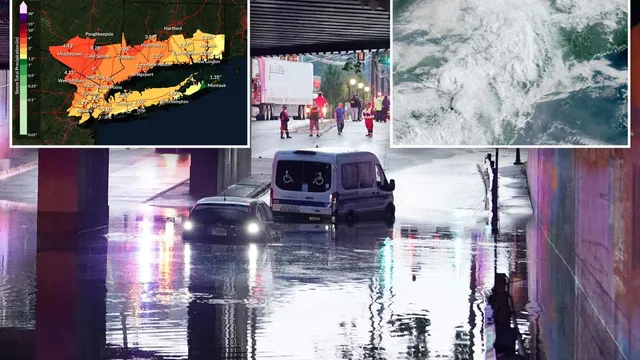
  • Forecasts predict some areas could receive over 5 inches of rain, with a Moderate chance of flash flooding in New York City.
  • Local officials urge residents to stay vigilant and prepared for severe weather conditions.
Share opinion
1

Story

On July 28, 2026, New York City and surrounding areas are facing a Flood Watch issued by the National Weather Service due to a slow-moving low-pressure system. This weather pattern is expected to bring multiple rounds of heavy showers and thunderstorms from Tuesday through Wednesday, with forecasts indicating that some areas could receive over 5 inches of rain. The potential for life-threatening flash flooding has raised concerns among local authorities and residents alike. The Flood Watch extends beyond the city to parts of Long Island, the Hudson Valley, northern New Jersey, and eastern Pennsylvania, affecting a wide range of communities. The National Weather Service has warned that isolated severe thunderstorms are possible, particularly in northeast New Jersey and New York City, with heavy rain rates of 2 to 3 inches per hour in some locations. The risk of flash flooding is categorized as Moderate (40-70%) for New York City, the Mid-Hudson, and Long Island, while other regions like the Capital Region and Mohawk Valley face a Slight chance (15-40%). The rest of New York State has a Marginal chance (5-15%) of experiencing flash floods. Heavy rainfall is expected to continue through Wednesday morning, with the Catskills potentially seeing totals of 6 to 8 inches, creating hazardous travel conditions. In anticipation of the severe weather, hundreds of flights have already been canceled across New York area airports, including significant disruptions at JFK, LaGuardia, and Newark. This has affected between 10% and 20% of all flights, causing travel chaos for many passengers. Local officials, including New York Governor Kathy Hochul, have urged residents to remain vigilant and prepared for the impending storms. Governor Hochul emphasized the importance of monitoring local forecasts and taking precautions to ensure safety during this prolonged rain event. New York City Mayor Zohran Mamdani echoed these sentiments, advising residents to prepare for the heavy rain and potential flash flooding. He highlighted that even brief periods of rainfall could lead to flooding in streets, basements, and low-lying areas. The situation is compounded by the severe storms that already impacted New Jersey the previous night, bringing lightning, hail, and flash flooding. As the weather unfolds, local agencies are mobilized to respond to emergencies and keep residents safe during this critical time.

Context

Heavy rain events have increasingly impacted New York City's infrastructure, leading to significant challenges in urban planning and maintenance. The city's aging drainage systems, originally designed to handle a different climate and lower rainfall intensity, are often overwhelmed during heavy downpours. This results in localized flooding, which can disrupt transportation, damage property, and pose risks to public safety. The frequency and intensity of heavy rain events have been exacerbated by climate change, necessitating a reevaluation of existing infrastructure to ensure resilience against future weather patterns. The consequences of heavy rain on transportation systems are particularly pronounced. Flooding can lead to the closure of roads and public transit systems, causing delays and economic losses. The Metropolitan Transportation Authority (MTA) has reported increased incidents of service disruptions due to flooding in subway stations and on roadways. Moreover, the impact on emergency services can be severe, as flooded streets hinder response times and access to critical areas. As such, the city must prioritize investments in infrastructure upgrades that can better manage stormwater and reduce the risk of flooding. In addition to transportation, heavy rain also affects the city's water management systems. Combined sewer systems, which collect rainwater and sewage in the same pipes, are particularly vulnerable during heavy rain events. When these systems exceed capacity, untreated sewage can overflow into local waterways, posing environmental and public health risks. The city has initiated several projects aimed at separating sewage and stormwater systems, as well as implementing green infrastructure solutions such as permeable pavements and green roofs to absorb rainwater and reduce runoff. To address the challenges posed by heavy rain, New York City must adopt a comprehensive approach that includes both immediate and long-term strategies. This involves not only upgrading existing infrastructure but also enhancing community awareness and preparedness for extreme weather events. Collaboration between city agencies, local communities, and environmental organizations will be essential in developing effective solutions. By investing in resilient infrastructure and sustainable practices, New York City can better protect its residents and maintain its vital urban systems in the face of increasing rainfall and climate variability.