
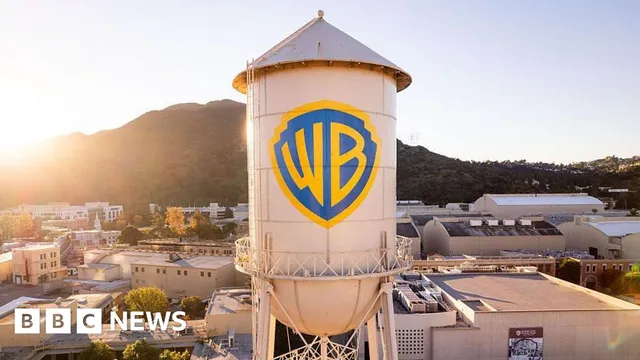
Paramount secures Warner Bros takeover after Netflix withdraws
- Netflix has stepped back from its bid to acquire Warner Bros Discovery.
- Paramount has improved its offer to successfully position itself as the prospective buyer.
- This decision creates a significant shift in the entertainment landscape, impacting the future of both companies and the media industry.
Story
In the United States, Netflix's recent decision to withdraw from its pursuit of acquiring Warner Bros Discovery has paved the way for Paramount to successfully complete a takeover valued at approximately $111 billion. This withdrawal comes after months of bidding wars, during which Paramount managed to improve its previous bid, rendering it more favorable to Warner Bros compared to Netflix’s offer. The film and streaming divisions of Warner Bros were initially set to be sold to Netflix in a plan worth about $82 billion, including debt, which was announced back in December. However, the negotiations shifted dramatically with Paramount's renewed offer, which was further sweetened by an additional dollar per share. Both companies were under scrutiny as regulatory bodies such as the California Department of Justice were examining the proposed mergers, with concerns also stemming from the political affiliations associated with Paramount's backer, tech billionaire Larry Ellison. Netflix executives indicated that their bid was not critical, emphasizing a strategic approach rather than an urgency to acquire at any cost. As negotiations progressed with Paramount, they ultimately agreed to provisions safeguarding Warner Bros in case the deal fell apart, including a $7 billion payout if the transaction fails and a fee of $2.8 billion should the merger with Netflix terminate. Paramount has indicated its intentions to integrate Warner Bros' HBO Max streaming customers into its operations should the acquisition succeed, pushing toward becoming a dominant force in the film industry. The broad implications of this merger extend beyond mere acquisitions, sparking dialogues over the future political landscape of media ownership and potential shifts in content production and distribution. With the landscape rapidly evolving, concerns loom regarding the significant consolidation of power in the entertainment industry and its subsequent effects on diverse media representations. The merger also raises questions about the potential impacts on viewers, with many speculating how it may affect programming, news representation, and the direction of content produced under such consolidated ownership. As Paramount prepares for a view of the regulatory journey ahead, the stakes remain high not only for the companies involved but also for the larger media ecosystem. As this acquisition moves forward, stakeholders, critics, and industry observers will be keeping a close eye on how the deal unfolds within the framework of existing regulations and public sentiment surrounding corporate media mergers. The closure of this chapter in Warner Bros' history, marked by its previous negotiations with Netflix, reflects an ongoing evolution in Hollywood, further solidifying Paramount's place among the most significant studios while also probing the specter of regulatory scrutiny in an ever-changing media landscape.
