

Over 6,000 killed in RSF rampage in Sudan's el-Fasher
Over 6,000 killed in RSF rampage in Sudan's el-Fasher
- The RSF launched a violent assault on el-Fasher, killing over 6,000 people in late October 2023.
- The U.N. documented widespread atrocities, including mass killings and detention, as serious human rights violations.
- The situation underscores the ongoing humanitarian crisis and the need for accountability and intervention.
Story
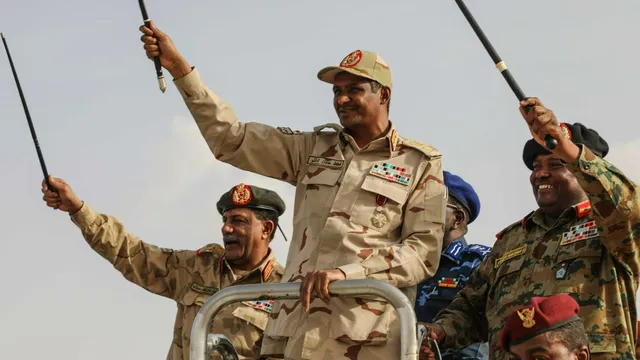
In late October 2023, a significant humanitarian crisis unfolded in Sudan's Darfur region when the Rapid Support Forces (RSF) launched a brutal offensive against the city of el-Fasher. This assault lasted for three days, resulting in the deaths of over 6,000 individuals. The United Nations Human Rights Office reported that among the deceased was a staggering number of civilians, with the RSF using tactics that included mass killings and widespread sexual violence. A detailed report by the U.N. highlighted these atrocities as potential war crimes and crimes against humanity, expressing profound concern over the impunity enjoyed by such armed groups. The RSF's attack on el-Fasher was not an isolated incident but rather part of a broader pattern of violence that has marked the ongoing conflict between the RSF and the Sudanese military. This situation has developed against a backdrop of long-standing tensions in the region, exacerbated by political instability and the absence of effective governance. The International Criminal Court is currently investigating these events for potential war crimes, underscoring the severity of the situation that has led to thousands of displaced people and a humanitarian disaster tragically unfolding in the area. Reports indicated that during the offensive, numerous civilians were killed while fleeing the city, with the U.N. documenting at least 4,400 casualties from the city and many others as they attempted to escape the violence. Eyewitness accounts and satellite imagery corroborated these findings, painting a grim picture of the on-the-ground reality. General Mohammed Hamdan Dagalo, the head of the RSF, acknowledged that abuses occurred but downplayed the scale of the violence, complicating the matters surrounding accountability. The effects of this onslaught have rippled throughout Sudan, with humanitarian agencies struggling to provide assistance amid ongoing violence and fear. As a result, the situation in Sudan remains one of the world's largest humanitarian crises, with reports of famine-like conditions emerging in several regions. Without significant international intervention and a commitment to accountability for human rights violations, the cycle of violence is likely to continue unabated, posing grave threats to both local populations and the stability of the region as a whole.
Context
insight shift analysis impact policy market impact geopolitical geopolitical data economic economic global insight geopolitical market impact impact market analysis insight insight geopolitical global shift economic trends trends insight economic global shift economic global trends insight geopolitical trends analysis economic economic policy geopolitical shift global policy trends global analysis data insight trends shift global analysis market insight global shift geopolitical market shift strategic geopolitical global policy global strategic trends strategic economic strategic geopolitical economic data strategic geopolitical data analysis analysis...


