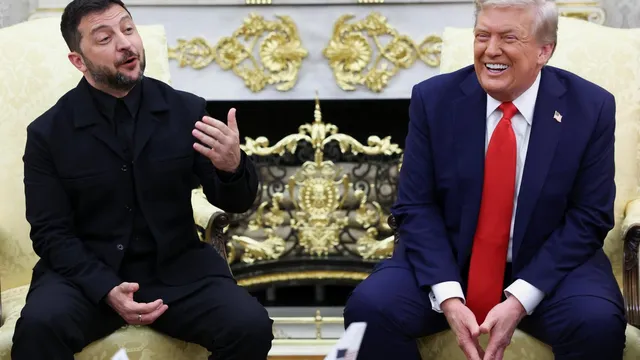
The ongoing conflict in Ukraine has drawn significant international attention and intervention since it began in 2014. As of November 25, 2025, the status of peace talks remains a complex and delicate issue, influenced by various geopolitical dynamics, participant motivations, and the evolving situation on the ground. The Minsk agreements aimed at ceasing hostilities and laying the groundwork for peace have faced numerous setbacks, primarily due to violations by both sides and a lack of enforceable mechanisms. Multiple rounds of negotiations have been held, featuring key stakeholders including Ukraine, Russia, and representatives from the self-proclaimed republics in Eastern Ukraine, but meaningful progress has often been stymied by entrenched positions and mutual distrust.
In recent months, there have been renewed efforts at diplomacy, facilitated by international organizations and third-party countries. Notably, the OSCE has continued monitoring the ceasefire and human rights conditions, urging all parties to adhere to their commitments. Talks have also included discussions surrounding pressing humanitarian concerns, such as the return of displaced populations and the restoration of essential services. However, these negotiations have encountered persistent roadblocks, including disagreements over territorial integrity, political autonomy, and security guarantees.
The role of external actors has been pivotal in shaping the peace process. The United States and European Union have maintained a policy of conditional engagement with Russia, balancing sanctions with diplomacy to incentivize compliance with peace agreements. Meanwhile, domestic pressures within Ukraine also influence the negotiation dynamics. The Ukrainian government faces the challenge of addressing national security while also navigating the political landscape, where public sentiment toward negotiating with Russia can be contentious. Additionally, the evolving military situation in Eastern Ukraine, marked by sporadic escalations and ongoing low-intensity conflict, complicates the peace efforts, as both sides appear reluctant to make concessions without guarantees of security.
As of late 2025, the outlook for a sustainable peace settlement remains uncertain. While there are moments of hope, such as informal dialogues between civil society groups and tentative agreements on prisoner exchanges, the fundamental issues—territorial disputes, national identity, and regional security—remain unresolved. Continued engagement from regional and global powers is essential to foster an environment conducive to successful negotiations, emphasizing the need for compromise and genuine commitment to peace. Ultimately, the success of any peace talks will depend on addressing core grievances and ensuring that the voices of all stakeholders, especially those most affected by the conflict, are heard in the process.