

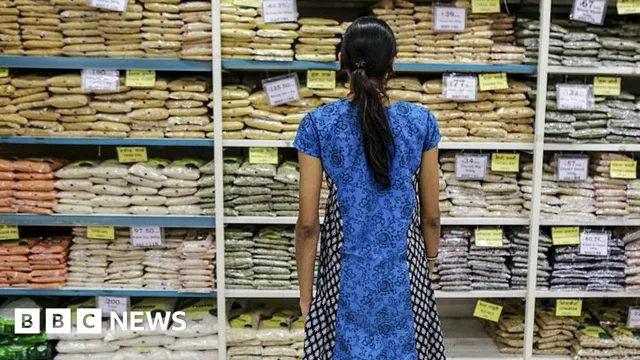
India's food safety crisis exposes regulatory failures
India's food safety crisis exposes regulatory failures
- Food adulteration has continued to be a major concern in India, driven by a vast informal food economy.
- The enforcement of food safety laws remains inadequate, with insufficient personnel monitoring countless food businesses.
- Consumer distrust is rising, leading many to pay more to avoid adulterated food.
Story
In India, food adulteration and safety concerns have increasingly caught public attention due to alarming trends documented in viral videos and failed safety tests. The Food Safety and Standards Authority of India (FSSAI) was established under a law enacted in 2006, aiming to overhaul the previous fragmented regulatory framework governing food safety. However, despite being recognized as one of the most advanced food safety laws globally, enforcement and compliance remain significant challenges in a country with a vast informal food economy. Experts highlight that most food products undergo testing only after suspicions arise, leaving many consumers at risk. The problem is exacerbated by loose food products often sold by numerous small vendors and informal factories lacking official registration and traceability. Consumers are frequently left to navigate a system where understanding sources of contamination is increasingly complex. As a result, public trust in food safety is deteriorating, leading many to take extra precautions, including paying more for perceived higher quality and safer products. Sanjay Indani, a food safety expert, reveals that in Maharashtra, one of India's largest states, there are fewer than 500 food safety officers responsible for overseeing thousands of registered businesses while an incomputable number of informal food sellers operate without regulation. This underlines the inadequacy of the existing inspection and enforcement structure. The disparity in the regulatory environment causes extended delays in tracing contaminated products, often taking weeks or longer to identify the source of food contamination when such incidents occur. The current climate of fear around food safety issues is primarily driven not by actual incidents of illness but rather by the rapid dissemination of information through social media. Public perception has shifted, with consumers feeling more vulnerable about the food they consume. The FSSAI has taken proactive measures by providing public guidance on identifying adulterated foods, which is relatively uncommon across the world. There exists a general attitude where people often consider food safety issues a concern for others as long as they themselves do not experience any immediate repercussions. The interplay between consumer habits, regulatory failures, and information dissemination continues to shape the ongoing food safety landscape in India.
Context
geopolitical shift impact policy impact market geopolitical economic shift impact geopolitical policy geopolitical shift shift economic strategic global trends data analysis strategic geopolitical strategic trends insight global strategic global analysis shift data economic global strategic shift market analysis strategic strategic trends impact policy shift global strategic shift data market insight policy strategic global insight analysis insight economic geopolitical economic global insight global trends strategic global market trends analysis policy global data geopolitical economic shift market trends geopolitical policy analysis data...


