

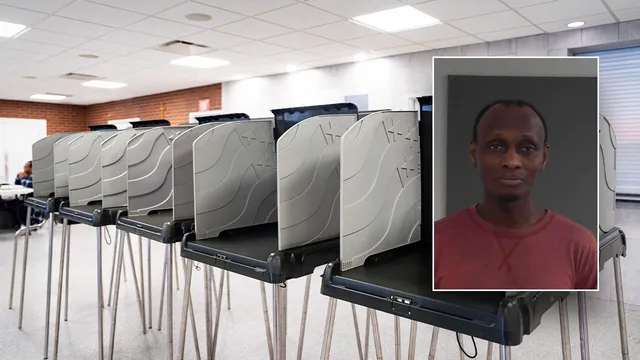
Illegal immigrant voted in every presidential election since 2008
Illegal immigrant voted in every presidential election since 2008
- Mahady Sacko was charged with voter fraud for voting illegally since 2008.
- He falsely claimed to be a U.S. citizen and registered to vote in 2005.
- His case raises significant concerns about the integrity of U.S. elections.
Story
In the United States, an illegal immigrant named Mahady Sacko has been charged with voter fraud for allegedly participating in every federal election since 2008. Sacko, a citizen of Mauritania, entered the U.S. in March 1998 and was ordered to be removed from the country by an immigration judge in 2000. Despite the deportation order, he remained in the U.S., subsequently registering to vote in 2005 and falsely claiming U.S. citizenship when casting his ballot. Court documents reveal that Sacko voted in major federal elections, including the general elections in 2008, 2012, 2016, 2020, and 2024, as well as in the 2016 and 2020 primaries. After his voting irregularities came to light in May 2025, experts began raising alarm over the integrity of U.S. elections. Investigators discovered that Sacko had cast ballots in-person for most elections, with the exception of the 2020 primaries, in which he voted by mail. Following an investigation, his fraudulent activities underscored a potential crisis of voter confidence, as noted by experts who warned about the implications of unauthorized voting on American democracy. The incident occurred amidst ongoing debates in Congress concerning voter registration and election integrity laws. Lawmakers are debating the SAVE America Act, which proposes stricter voter ID and registration requirements to safeguard against unauthorized voting. Supporters argue that such measures are necessary to ensure that only American citizens can participate in elections, while critics suggest these changes could disenfranchise vulnerable populations. Catherine Engelbrecht, a founder of the election integrity research group True the Vote, voiced concerns that Sacko’s case reveals systematic vulnerabilities leading to a failure of the electoral process. It raises questions about the efficacy of existing voter registration and verification methods. Discussions surrounding this issue are contentious, as contrasting viewpoints emerge from different political factions regarding the necessity and impact of proposed legislation designed to enhance election security.
Context
Voter registration laws in the USA are a critical aspect of the electoral process, influencing how citizens engage with democracy. These laws vary significantly from state to state, creating a complex landscape that voters must navigate. Historically, the evolution of voter registration laws has been driven by the need to increase accessibility, ensure security, and address issues of disenfranchisement. The National Voter Registration Act of 1993, for example, aimed to enhance voter participation by requiring states to offer registration opportunities through various means, including public agencies. However, despite these federal mandates, states retain considerable control, leading to a patchwork of regulations that can either facilitate or inhibit voter registration efforts. In contemporary practice, many states have adopted measures such as online voter registration, same-day registration, and automatic registration, which aim to ease the process of getting voters registered. Online registration has gained traction, especially among younger voters who are more accustomed to digital platforms. Same-day registration allows individuals to register on the same day they vote, which has been shown to increase turnout rates significantly. Conversely, some states have enacted stricter laws, such as requiring specific forms of identification and imposing deadlines that can create barriers for potential voters. The implications of these varied laws are profound, as they directly affect voter turnout and engagement. Research indicates that states with more accessible registration processes tend to see higher rates of participation in elections. Conversely, restrictive measures can lead to disenfranchisement, particularly among marginalized communities, including racial minorities, low-income households, and young voters. Legal battles over voter registration laws are common, with advocacy groups often challenging restrictive practices that they argue undermine the democratic process. The balance between protecting electoral integrity and ensuring widespread access remains a contentious issue in American politics. As of 2026, the landscape of voter registration continues to evolve with ongoing legislative changes and court rulings. The COVID-19 pandemic accelerated the push for accessible voting methods, prompting some states to enhance their registration processes further. Looking ahead, it is crucial for policymakers to consider the equity implications of voter registration laws, ensuring that all citizens have the opportunity to participate fully in the democratic process. As the U.S. faces pivotal elections in the coming years, the effectiveness and fairness of voter registration will play a vital role in shaping the electorate and influencing the outcome of political contests.


