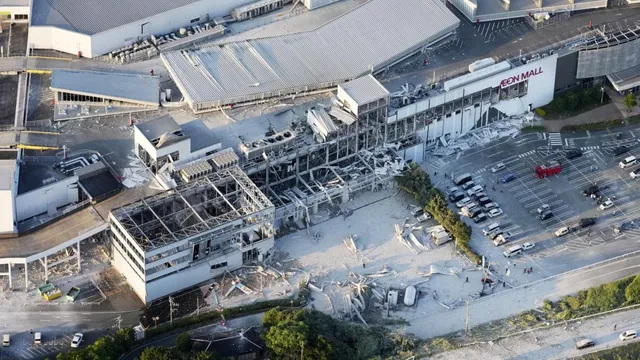
Japan is situated in a seismically active region, making earthquake safety measures a critical aspect of its infrastructure and public policy. The country has experienced numerous devastating earthquakes throughout its history, prompting the government and local authorities to implement comprehensive safety measures aimed at minimizing damage and protecting lives. These measures encompass building codes, public education, emergency preparedness, and advanced technology in earthquake detection and response. The Japanese government has established stringent building regulations that require structures to be designed and constructed to withstand seismic forces. This includes the use of flexible materials, reinforced foundations, and regular inspections to ensure compliance with safety standards. As a result, many modern buildings in Japan are equipped with advanced engineering techniques that significantly reduce the risk of collapse during an earthquake, thereby safeguarding occupants and minimizing property damage.
Public education plays a vital role in Japan's earthquake preparedness strategy. The government conducts regular drills and training sessions to educate citizens about earthquake safety protocols, including how to respond during an earthquake and the importance of having emergency kits ready. Schools, workplaces, and communities participate in these drills, fostering a culture of preparedness that empowers individuals to act swiftly and effectively in the event of an earthquake. Additionally, the government provides resources and information on creating emergency plans, ensuring that families are equipped to handle potential disasters. This proactive approach to public education has proven essential in enhancing community resilience and reducing panic during actual seismic events.
In terms of technology, Japan has invested heavily in earthquake detection and early warning systems. The Japan Meteorological Agency (JMA) operates a sophisticated network of seismic sensors that can detect tremors and provide early warnings to the public. These systems can alert citizens seconds before the shaking begins, allowing them to take cover and prepare for the impact. Furthermore, advancements in research and development have led to innovations such as seismic isolation systems and damping technologies that are integrated into new constructions. These technologies not only enhance the safety of buildings but also contribute to the overall resilience of urban infrastructure.
In conclusion, Japan's comprehensive approach to earthquake safety measures encompasses stringent building codes, public education initiatives, and cutting-edge technology. By prioritizing these elements, the country has significantly improved its ability to mitigate the effects of earthquakes and protect its citizens. Continuous investment in research, community engagement, and infrastructure development will be essential in maintaining and enhancing these safety measures in the face of future seismic challenges.