
business
impactful
controversial

AI threatens to deepen wealth inequality in the U.S

Mar 24, 2026, 1:00 AM10
(Update: Mar 24, 2026, 1:00 AM)
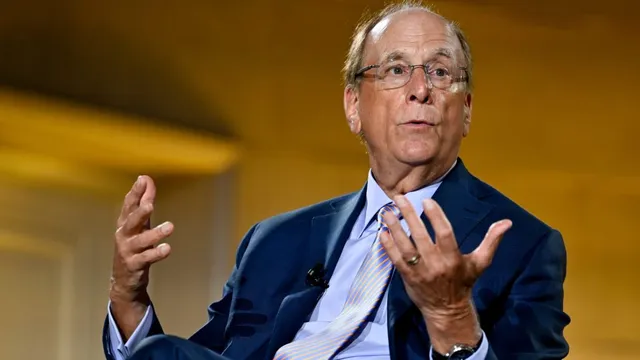
American billionaire businessperson and board member, Chairman and CEO of BlackRock
country primarily in North America

AI threatens to deepen wealth inequality in the U.S

  • Larry Fink expressed concerns over the widening wealth gap due to AI technology in his annual letter.
  • Research indicates that wealth inequality in the U.S. has reached historic levels, fueled by corporate AI adoption.
  • The current economic landscape risks concentrating wealth among select companies and investors, emphasizing the need for proactive measures.
Share your opinion
1

Story

In his annual letter to BlackRock shareholders, Larry Fink highlighted the growing concern over wealth concentration due to the rapid adoption of artificial intelligence (AI) technology. He noted that while technological advancements typically drive productivity and economic growth, this time they may widen the gap between the wealthy and the working class. The Federal Reserve's research reveals that wealth disparity in the U.S. has reached a historical peak, exacerbated by AI adoption. Fink explained that the gains from AI seem to favor already affluent households and corporations. This reflects a broader trend where productivity increases do not translate equally across the labor market, leading to economic distress for many. Fink emphasized that since 1989, the stock market has generated significantly higher returns compared to median wages, which have stagnated. He pointed out that the majority of wealth accumulation is confined to those who own assets or utilize new technologies, thus leaving the working-class individuals behind. The potential for AI to generate substantial value is considerable, yet it risks limiting those benefits to a select few who control capital or are in positions to leverage AI effectively. Fink's analysis resonates with Moody’s chief economist Mark Zandi’s insights regarding consumer spending patterns differential. Increasingly, high earners represent the foundation of economic support in the U.S. economy. As spending among low and middle-income earners plateaued, the wealth generated by AI remains narrowly distributed. Fink also warned that unless proactive measures are taken to address these disparities, the looming K-shaped recovery will continue, underscoring the unequal experience of economic growth. Furthermore, AI technology poses the risk of complicating workloads for lower income positions without delivering significant increases in wages. The long-term outlook remains uncertain, as some researchers argue that while initial risks are rampant, AI could serve as an equalizer, ultimately elevating wages and opportunities in lower-wage sectors. Amid historical wealth division data from the Fed, where the top earners increasingly concentrate funds, caution is communicated in seeking balanced growth strategies. Fink suggests that if not handled carefully, the waves of technological progress could further intensify economic inequality. The letter reinforces the call for a holistic approach toward a fair economic future, incorporating mechanisms like universal basic income as discussed by experts, to ensure wider distribution of the value generated by AI technologies. By addressing these disparities, policymakers have an opportunity to shape an equitable growth environment that works for a broader demographic.

2026 All rights reserved
