

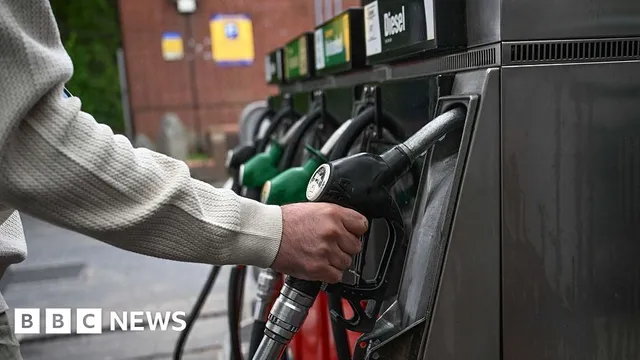
UK delays new sanctions on Russian oil amid soaring fuel prices
UK delays new sanctions on Russian oil amid soaring fuel prices
- The UK has delayed its planned ban on imports of Russian oil products due to fuel price concerns.
- This delay allows imports of jet fuel from countries like India, previously a significant supplier.
- Critics view the easing of sanctions as a sign of weakness in the UK's commitment to sanctioning Russia.
Story
In recent developments, the United Kingdom announced a delay in the implementation of new sanctions on Russian oil products after an escalating cost-of-living crisis linked to the ongoing tensions in the Middle East, particularly stemming from the conflict involving Iran. The decision, made by British Prime Minister Keir Starmer, is attributed to the effective blockade of the Strait of Hormuz, a critical trade route for oil transportation, contributing to concerns over fuel supply and prices. Throughout this period, the UK has expressed unwavering support for Ukraine amidst its ongoing war with Russia. The sanctions aimed to ban the import of oil products like jet fuel and diesel derived from Russian crude oil that have been refined in third countries such as India and Turkey. However, as the UK government had previously announced such sanctions in October of last year, the recent decision to delay them suggests a reconsideration of approach due to rising fuel prices affecting consumers. Estimates indicated that approximately £1.8 billion worth of oil products had already been imported to the UK from countries like India and Turkey since the onset of earlier sanctions following Russia’s invasion of Ukraine in December 2022. The government's approach has received mixed reactions, with criticism centered around perceptions that the UK is compromising its commitment to sanctions against Russia. While Starmer asserted that existing sanctions would not be lifted and that new ones would be phased in to avoid instability, opposition leaders viewed the delay as a step back, accusing the government of 'choosing to buy dirty Russian oil.' The situation has led to continued scrutiny from international allies, including French President Emmanuel Macron, who maintained that the sanctions should remain in place without exceptions. Amid pressures surrounding energy prices, particularly for jet fuel which is significantly impacted by events in the Middle East, the UK government maintains that it must balance its sanctions policy with the need to protect its citizens from exorbitant fuel costs. The cancellation or alteration of sanctions sends a 'negative signal' to Russia, as experts suggest that such changes might be perceived as revealing a lack of commitment among Western nations to maintain a cohesive sanctions regime against Russia. Thus, while Britain continues to align itself with Ukraine and uphold a sanctions regime, the delay presents a complex interplay of foreign policy priorities and domestic economic concerns.


