In Washington, the U.S. military has recently paused its airstrikes on Iran after a period of nearly two weeks marked by escalating bombing. This pause comes amid ongoing diplomatic efforts aimed at preventing a return to all-out war between the two nations. The conflict, which has been ongoing for nearly five months, has seen significant developments, including the effective closure of the Strait of Hormuz by Iran, a crucial shipping corridor for global oil trade. The situation remains fluid, with the potential for further escalation or de-escalation depending on the outcomes of diplomatic negotiations.
The pause in U.S. military action has raised questions about its implications. Analysts are cautious about interpreting this lull as a definitive shift in strategy, with some suggesting it could be an operational pause or a tactical move to facilitate behind-the-scenes diplomacy. A regional official involved in mediation efforts indicated that both the U.S. and Iran are interested in returning to an interim ceasefire deal, with ongoing negotiations focusing on allowing Iran to manage vessel transit through the Strait of Hormuz with fewer restrictions.
Tensions in the region remain high, particularly with the involvement of Israel, which launched the war alongside the U.S. on February 28. Israeli Prime Minister Benjamin Netanyahu's upcoming visit to Washington adds another layer of complexity to the situation. The Iran-backed rebels have also taken actions that threaten vital shipping routes, such as closing the Bab el-Mandeb Strait, which is critical for Saudi oil exports. This has heightened concerns about the stability of oil supplies and the potential for further military confrontations.
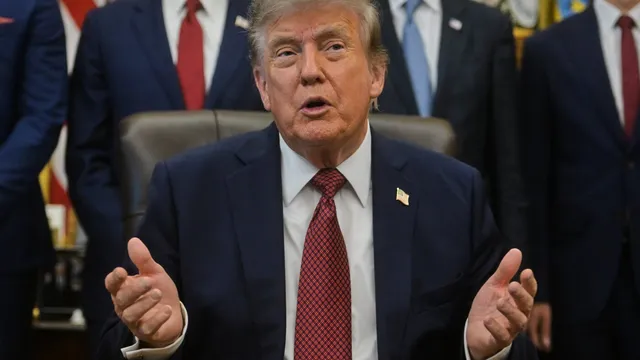
Despite the current pause, U.S. President Donald Trump has expressed skepticism about Iran's readiness to negotiate a deal, although he acknowledges that the situation may be evolving. He emphasized that he is not in a rush to conclude negotiations, especially with the upcoming elections in mind, where economic issues like high food and gasoline prices could influence voter sentiment. The U.S. administration is balancing military strategy with diplomatic efforts, seeking a resolution that addresses both national security concerns and regional stability.