

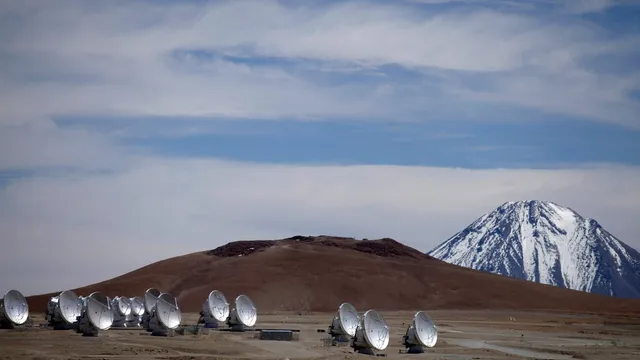
Astronomers warn renewable energy project threatens vital observatory in Chile
Astronomers warn renewable energy project threatens vital observatory in Chile
- Thirty prominent astronomers issued a letter warning about a new renewable energy complex's threat to astronomical observations.
- The proposed site is located just 3 kilometers from the Paranal Observatory, a significant center for astrophysical research.
- The impact of the project could extend beyond national borders, affecting global astronomical research and knowledge.
Story
In an alarming development for the global scientific community, a group of 30 esteemed astronomers issued an open letter to the Chilean government, voicing their concerns over a planned renewable energy complex near the Paranal Observatory. This observatory is situated in Chile’s Atacama Desert, which is recognized as one of the best astronomical sites globally due to its dry climate, high elevation, and isolation from light pollution. The energy project proposed by AES Andes, an offshoot of the American multinational AES Corp., encompasses plans for a large hydrogen-based fuel production plant that would include solar and wind farms along with a desalination plant and a new port. The scientists argue that the project, which is still under environmental evaluation, poses a significant increase in light pollution—estimated at 35%—as well as additional dust and ground vibrations from construction activities. With the Paranal Observatory being only three kilometers away from the proposed site, the potential disruption to astronomical observations could be extensive. The researchers emphasized that the resulting light and atmospheric interference would blur star visibility and negatively affect vital scientific work that relies upon stable, dark skies for research on cosmic phenomena like planet formation and the early universe. In response to the astronomers' concerns, AES Corp. reassured that their assessment indicated the project would adhere to Chile's regulations on light pollution and maintain compatibility with astronomical observations. Nevertheless, the consensus among the scientific community is that the development threatens not only the observatory’s operations but also elemental research that extends beyond the nation's borders. The scientists advocate for a balance between economic growth and safeguarding one of the few remaining natural sites essential for astronomical progress and exploration. Chile, often dubbed the capital of astronomy, hosts 40% of the world's astronomy infrastructure, making it increasingly vital to protect its unique night skies from encroaching industrial activities. The broader implications of this incident highlight the worldwide conflict between the need for sustainable energy and the imperative to preserve natural darkness—a challenge many countries globally face as the night sky gradually becomes lighter, leading to increased light pollution. There exists a fragile equilibrium between harnessing natural resources and fostering scientific inquiry, and the ongoing debate reflects a pivotal moment for both national priorities and the global scientific community.
Context
Light pollution, the excessive and misdirected artificial light in our environment, has emerged as a critical problem for astronomers and stargazers alike. It affects not only the visibility of celestial bodies but also the overall understanding of the cosmos. The main sources of light pollution stem from urban areas, where streetlights, commercial signage, and residential lighting blend to create a glow that obscures the darkness of the night sky. This illumination can degrade the quality of astronomical observations and has far-reaching implications for both professional and amateur astronomers. As cities expand and the population increases, the issue continues to worsen, making it imperative to address the negative impacts of artificial lighting on our night sky visibility. The advent of modern lighting technologies, such as LED lights, has prompted some to believe that these innovations may help to reduce light pollution. However, the reality is more complex. While LEDs consume less energy and can be more efficiently directed, their intense blue light can still contribute to skyglow, a phenomenon where bright light scatters in the atmosphere, hindering the ability to view fainter celestial objects. Furthermore, the shift to brighter lights has not solved the problem, as many municipalities still utilize poorly designed fixtures that radiate light upwards instead of focusing it down where needed. Consequently, a comprehensive understanding of light pollution entails not only utilizing better technologies but also employing proper fixtures and reducing unnecessary lighting in urban planning. The consequences of light pollution extend beyond the practical difficulties faced by astronomers. Research has indicated that excessive artificial lighting disrupts ecosystems and has detrimental effects on wildlife, particularly nocturnal animals that rely on darkness for their lifecycle patterns. The alteration of natural light cycles can lead to shifts in breeding and feeding behaviors, ultimately threatening biodiversity. Moreover, light pollution can impact human health, affecting melatonin production and depriving individuals of restorative sleep patterns. Collectively, these factors make light pollution a multifaceted issue requiring a collaborative approach involving scientists, urban planners, policymakers, and the general public to mitigate its impacts effectively. To move towards a solution, various strategies can be implemented to reduce light pollution. These range from adopting more stringent lighting regulations and promoting awareness of the issues associated with light pollution to fostering community initiatives aimed at reverting night skies to their natural state. By encouraging responsible lighting practices and the use of better technologies, it is possible to preserve our night skies for future generations. Ultimately, addressing light pollution not only aids astronomy but also restores a sense of wonder and connection to the universe, reinforcing the importance of preserving the natural phenomena that have inspired humanity for millennia.


