

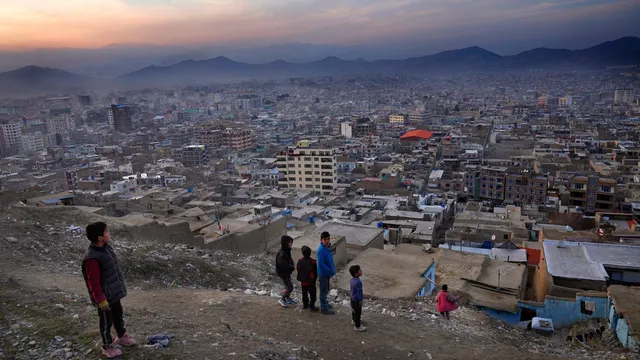
Five million Afghans return home amid catastrophic water crisis
Five million Afghans return home amid catastrophic water crisis
- Since 2023, over five million Afghans have returned to their homeland from Iran and Pakistan, creating significant pressure on local resources.
- Kabul households are spending up to 30 percent of their income on water as 80 percent of groundwater is reported unsafe from pollutants.
- Unless immediate interventions are made, communities may face forced relocation due to mounting water scarcity and deteriorating living conditions.
Story
Afghanistan is currently grappling with an escalating water crisis, compounded by the return of over five million Afghans from neighboring Iran and Pakistan since 2023. This mass migration has further strained the country’s already precarious water resources. Many returnees have been forced to leave, leading to increased pressures on local communities who are already struggling for basic necessities. Households in Kabul are reported to spend as much as 30 percent of their income on water due to the dwindling supply and deteriorating quality of the groundwater. Approximately 80 percent of Kabul's groundwater is deemed unsafe because of contamination from sewage, salt, and other pollutants. The situation has become urgent as the regional director for Save the Children Asia pointed out that the amount of snow in surrounding mountains has significantly decreased, indicating a broader impact of climate change on water availability. Furthermore, the humanitarian impact of ongoing aid cuts has exacerbated the situation. An estimated 700,000 people have seen health services disrupted due to cuts from Save the Children, alongside significant educational and sanitation interruptions affecting hundreds of thousands of children and families. In areas like Herat, the influx of returnees can lead to major disruptions in water supply systems. For instance, one community that had previously benefitted from water network rehabilitation found themselves unable to provide sufficient water for its original inhabitants after accepting 300 additional families returning from Iran. As a result of these increasing tensions over water resources, tribal conflicts have now escalated in Afghanistan; it is estimated that around 40 percent of such disputes are solely related to water access. Despite these challenges, NGOs emphasize the possibility of infrastructure improvements to adapt to the growing water crisis. However, the Taliban's government is accused of downplaying the severity of the situation. There is a push for increased funding toward water projects, but many organizations are experiencing drastic funding cuts, making it harder to meet the community's urgent needs. If these trends are not addressed, there is a risk of entire neighborhoods being forced to relocate as the struggle for clean water escalates amid the closed borders with Iran and Pakistan. In conclusion, failure to act could mean that vulnerable populations will continue to bear the brunt of this compounded crisis.
Context
Climate change poses a serious threat to Afghanistan's water supply, with profound implications for the country's agriculture, health, and overall socio-economic stability. Afghanistan, predominantly a mountainous country, relies heavily on glacial melt and seasonal precipitation for its water supply. As global temperatures rise, the country experiences alterations in weather patterns, leading to erratic rainfall, increased frequency of droughts, and reduced snowpack levels. These changes threaten to diminish the meltwater that is crucial for rivers and groundwater systems, which are integral to irrigation and sustenance for millions of Afghans. Moreover, the impact of climate change on Afghanistan's water supply has exacerbated existing vulnerabilities within the agricultural sector, which employs a majority of the population. Water scarcity limits crop production, leading to food insecurity and economic instability. Increased competition for dwindling water resources may fuel tensions among local communities, making it difficult to achieve peaceful coexistence. The reliance on traditional farming practices, coupled with inadequate infrastructure for water management, further compounds these challenges, leaving farmers ill-equipped to adapt to changing circumstances. In light of these pressing issues, the Afghan government and international organizations must prioritize robust water management strategies that can effectively address the impacts of climate change. Investment in water conservation techniques, promotion of sustainable agricultural practices, and enhancement of infrastructure are crucial steps toward securing a more reliable water supply. Engaging local communities in decision-making processes related to water resource management will also foster inclusive governance and resilience, helping to curb potential conflicts. Training programs aimed at educating farmers about adaptive crop varieties and innovative irrigation techniques can yield immediate benefits while safeguarding livelihoods. Lastly, addressing climate change's impact on water supply in Afghanistan requires collaborative efforts that transcend national borders. Transboundary water management frameworks involving neighboring countries are essential, as many rivers crucial to Afghanistan's water supply originate outside its borders. By fostering regional partnerships and dialogue, Afghanistan can work towards sustainable solutions that take into account shared water resources. In conclusion, tackling the challenges posed by climate change on water supply is vital for Afghanistan's future, promising improved food security, economic resilience, and a stable society.


