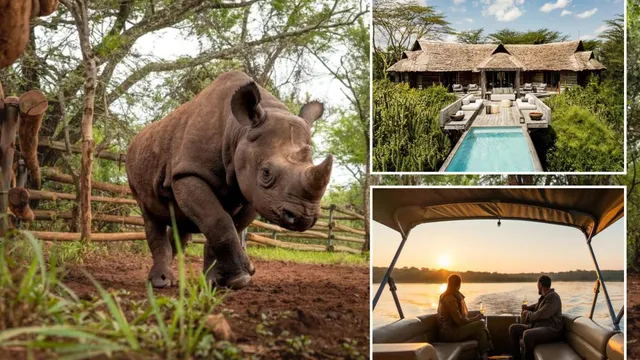
In recent years, African rhino populations have shown significant recovery, particularly in Kenya and southern Africa. Black rhinos, once critically endangered, have increased from 2,410 in 1995 to 6,788 today, while white rhinos have grown from a mere few hundred to approximately 16,000. This resurgence is attributed to dedicated conservation efforts aimed at protecting these species from poaching and facilitating their relocation to expand their habitats. Notably, Segera, a wildlife conservancy in Kenya, has become a focal point for these initiatives, welcoming 21 black rhinos in a landmark operation led by the Kenya Wildlife Service and the Zeitz Foundation. This operation is part of a broader plan to create one of the largest connected rhino sanctuaries in the world by linking Segera with neighboring conservation areas across the Laikipia Plateau. Additionally, in Rwanda, African Parks successfully translocated 70 white rhinos from South Africa to Akagera National Park, marking a significant achievement in rhino conservation. Despite these successes, the challenges of poaching and habitat loss remain, but the tide is turning, offering hope for the future of rhinos in Africa. Travelers are increasingly drawn to these conservation efforts, with luxury safaris providing opportunities to witness these magnificent creatures in their natural habitats. The ongoing efforts to protect and expand rhino populations highlight the importance of conservation in ensuring the survival of these species for future generations.