

Spain's Pedro Sanchez targets social media executives with new accountability laws
Spain's Pedro Sanchez targets social media executives with new accountability laws
- Spain's Prime Minister Pedro Sanchez announced new social media regulations at the World Government Summit in Dubai.
- Proposed measures include criminal liability for social media executives and a ban on social media for under-16s.
- The announcement has prompted significant backlash from tech leaders, notably Elon Musk.
Story
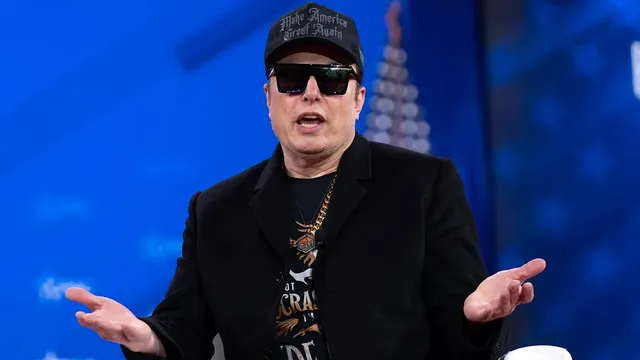
In Spain, Prime Minister Pedro Sanchez revealed ambitious plans aimed at regulating social media during his speech at the World Government Summit in Dubai. Speaking on Tuesday, he introduced five major measures designed to curb hate speech, disinformation, and enhance accountability among tech executives. This announcement included a controversial proposal to hold social media executives criminally liable for not removing harmful content on their platforms, an approach that goes further than existing EU regulations. Sanchez's remarks drew sharp criticism from Elon Musk, owner of X, who referred to the prime minister as a 'tyrant and traitor.' Sanchez defended his position by stating that the current digital landscape resembles a lawless environment. The proposed regulations not only target social media companies but also include a ban on social media usage for individuals under 16 years of age. This initiative is part of a broader coalition aiming to introduce similar policies across several European countries. By taking these steps, Sanchez positions Spain as a leader in confronting issues arising from the digital age, emphasizing the need for accountability in the management of social media content. The resistance from key figures in the tech industry demonstrates the contentious nature of these proposed regulations, which could have far-reaching implications for free speech and digital engagement in Spain and beyond.
Context
Spain's new social media laws have the potential to significantly impact the digital landscape, particularly concerning user privacy, misinformation, and the responsibilities of social media platforms. These regulations are aimed at enhancing accountability among technology companies and protecting citizens from harmful content while promoting a safer online environment. One of the primary objectives of these laws is to ensure that social media companies take greater responsibility for the content shared on their platforms. By imposing stricter regulations, the government seeks to limit the spread of fake news, hate speech, and other forms of harmful content, which have increasingly become prominent issues in the digital age. Users are likely to benefit from more robust protections against online abuse and better avenues for reporting violations, thereby enhancing their overall experience on social media platforms. In addition to addressing issues related to content moderation, Spain's revised social media regulations also emphasize the importance of user privacy and data protection. Companies are now mandated to be transparent about how user data is collected, processed, and utilized. Henceforth, individuals can expect to have more control over their personal information, leading to a greater sense of security when engaging online. However, these changes may pose challenges for smaller companies and startups that may lack the resources to comply with the new requirements adequately. The potential for increased operational costs and compliance burdens could unintentionally stifle innovation and competition within the market, prompting concerns about the long-term impact on consumers and businesses alike. Alongside content monitoring and privacy concerns, these laws also reflect a growing trend across Europe towards stricter regulations on digital platforms. Spain is not alone in its efforts to combat the negative impacts of social media; several countries have enacted similar measures, aiming to curtail the influence of big tech companies and establish a framework for accountability. The European Union is pressing ahead with initiatives that will likely unify these efforts, leading to harmonized regulations across member states. Such collaborative actions could create a more balanced global approach to digital governance, setting a precedent that may encourage other nations to consider similar regulations as they navigate the complexities of online communication and data protection. While these new laws aim to safeguard users and create a more equitable ecosystem for social media, the effectiveness of implementation remains to be seen. As stakeholders including government agencies, tech companies, and users adapt to the new landscape, it is vital that ongoing dialogue and collaboration occur to ensure the regulations serve their intended purpose without stifling free expression or innovation. Furthermore, the dynamic nature of social media means that the laws will need to remain adaptable in response to emerging technologies and changing user behaviors. Ultimately, Spain's new social media regulations represent a significant shift in the approach to digital governance, and their success will depend on careful navigation of the balance between regulation and freedom.


