

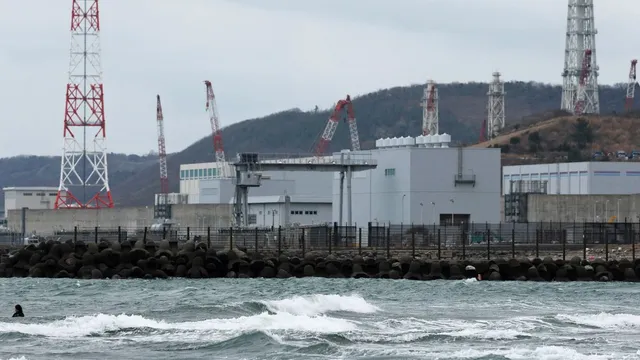
Japan restarts world's largest nuclear power plant amid safety concerns
Japan restarts world's largest nuclear power plant amid safety concerns
- The governor of Niigata finally gave approval for the restart of the Kashiwazaki-Kariwa nuclear power plant, which had been inactive since 2012.
- TEPCO, the company that operates the plant, faces public mistrust and has committed to ensuring safety measures and responses.
- The restart is seen as a critical step for Japan to enhance its energy security and pivot away from reliance on imported fossil fuels.
Story
In December 2025, Japan made significant strides toward revitalizing its nuclear energy sector by obtaining local consent from Niigata's governor to restart the Kashiwazaki-Kariwa nuclear power plant. This plant, which is the largest nuclear facility in the world, had been idle for over a decade due to safety concerns following the infamous Fukushima disaster in March 2011. The governor, Hideyo Hanazumi, expressed his endorsement after discussions with government officials who pledged to prioritize safety measures and emergency response protocols. TEPCO, the utility company managing the plant, is also under scrutiny, as many members of the local community still harbor doubts regarding nuclear safety. Given the growing concerns over energy reliance and increasing electricity demand—fueled partially by advancements in technology like AI—Japan has decided to reverse its previous stance on phasing out nuclear power. The restarting of this nuclear plant is projected to augment electricity supplies, potentially benefiting urban areas like Tokyo, where energy demand is rising amid global fuel shortages and price surges. In the coming weeks, preparations and inspections for the No. 6 reactor are anticipated to commence, while the No. 7 reactor will require additional time before it is operational. The decision to restart has spurred both support and protests amid ongoing fears about nuclear safety, underscoring a complex public sentiment toward nuclear energy—a resource that many view as essential to Japan's energy independence and carbon emission goals.
Context
As of December 2025, Japan has made significant strides toward achieving energy independence, a key objective in its national energy policy. Post-Fukushima, Japan's reliance on imported fossil fuels has led the country to reevaluate its energy sources, prompting a shift towards renewables and energy efficiency. Japan's government set ambitious targets for renewable energy, aiming to source 50-70% of its energy from renewable sources by 2030, with projections indicating a continued increase towards 2050. This transition includes investments in solar, wind, and hydroelectric power, as well as advancements in nuclear energy, marking a critical turnaround in public and governmental attitudes towards nuclear power following the disaster a decade earlier. The Japanese government has implemented various policies to encourage renewable energy adoption. The feed-in-tariff system has been a cornerstone of this strategy, guaranteeing fixed prices for renewable energy producers, thereby stimulating investment in solar and wind capacity. Additionally, the government's Green Growth Strategy outlines support measures for technological development in battery storage and hydrogen production, further diversifying energy sources. This strategy not only aims to bolster energy independence but also addresses climate change commitments, aligning Japan with global trends towards decarbonization. Moreover, Japan's energy security assessment has focused on reducing vulnerability to external shocks such as geopolitical tensions and supply chain disruptions. This is evident in the government's strategic stockpiling of oil and natural gas reserves, alongside fostering partnerships with resource-rich countries to secure energy supply chains. The energy independence policies also emphasize the importance of local and community energy systems, encouraging decentralized energy production to enhance resilience and adaptability in facing future energy crises. As Japan advances toward its 2025 energy independence goals, challenges still exist. The country must navigate the complexities of integrating variable renewable energy sources into its grid while ensuring reliability and affordability for consumers. Public acceptance around nuclear power remains a barrier, which the government is working to address through transparency and safety measures. Overall, Japan's commitment to a diversified energy portfolio and proactive policy-making reflects a clear vision for a sustainable and independent energy future.


