

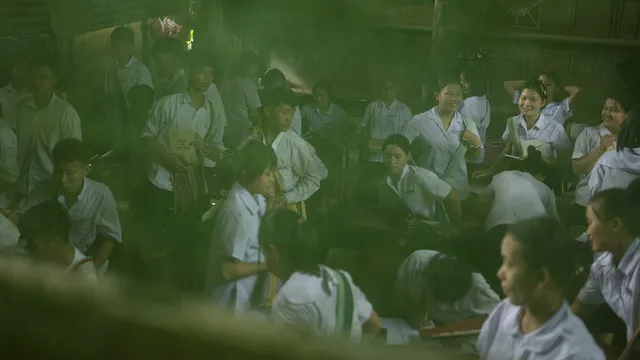
Thai government grants work rights to Myanmar refugees after decade-long ban
Thai government grants work rights to Myanmar refugees after decade-long ban
- Many refugees in Thai border camps faced severe food shortages due to cuts in financial assistance during August and September.
- The cessation of healthcare services by the International Rescue Committee has left thousands of refugees without access to medical care.
- The lifting of the ban on work rights for long-term refugees represents a crucial opportunity for self-sufficiency, though ongoing support is needed.
Story
In Thailand, a significant humanitarian crisis has unfolded as thousands of refugees from Myanmar are living in camps along the border. These individuals have faced severe food insecurity, especially over the last few months due to cuts in food support. As of August and September, most refugees did not receive any financial assistance on their digital food cards, which typically helped them purchase groceries. Only about 7,000 of the most vulnerable refugees continued receiving a small monthly credit alongside basic rations, which many reported was insufficient to sustain their families. The humanitarian situation worsened when the International Rescue Committee ceased its healthcare services in the camps amidst funding shortages, leaving many refugees without access to essential medications. The healthcare facilities have essentially become non-functional, leaving thousands without necessary medical attention as frustrations soared among camp residents. Despite the dire circumstances, there was a landmark change in policy in October, as the Thai government lifted a long-standing ban on work rights for refugees from Myanmar. This development has been a notable relief for the refugee population, granting them opportunities to seek legal employment outside the camps. So far, 12,000 refugees have applied for work, representing a glimmer of hope amidst ongoing hardships. However, stakeholders have emphasized the need for targeted support policies to facilitate their transition into the workforce. The situation remains tense and uncertain as community leaders express their concern regarding food shortages and continuing support needs. Many fear that without sustained aid and programs, education and healthcare will deteriorate further, and the risk of children working outside the camps increases.


