
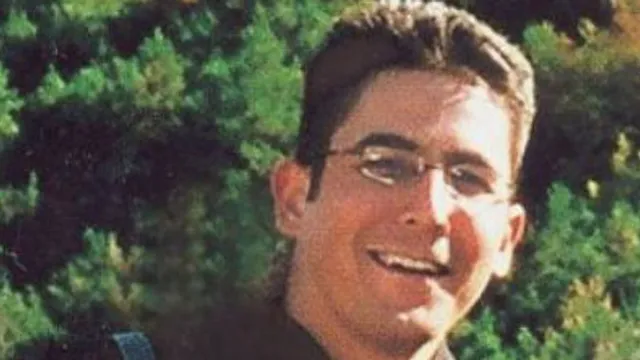
Fugitive terrorist arrested in Wales after decades on the run
- Daniel Andreas San Diego was arrested after living as a fugitive for over 21 years.
- San Diego is linked to two bombings in California in 2003 and was identified through a tattoo.
- His extradition to the US for trial is pending approval from the home secretary.
Story
In November 2024, Daniel Andreas San Diego, a fugitive wanted by the FBI for over two decades, was arrested in a rural part of Conwy, North Wales, where he had been living under a false identity. The FBI labeled him one of the most wanted terrorists in the United States due to his involvement in two bombings that took place in the San Francisco area in 2003. The situation escalated after his bombings were claimed by an animal rights group in retaliation against companies associated with animal testing. San Diego, who reportedly used the identity 'Danny Webb', had evaded authorities since he disappeared from a transit station in San Francisco just prior to a planned arrest in October 2003. During the FBI's surveillance, he managed to shake them off and left no trace until his recent arrest. His involvement in the bombings began with his alleged role in detonating two bombs at the Chiron biotechnology corporation, followed by another at the Shaklee nutritional products corporation, also linked to animal rights violations, thereby manifesting his affiliations and motives. The latest legal proceedings revealed that U.S. courts found sufficient grounds for extradition to face serious charges, which include the use of explosives and the intent to cause damage. A judge ruled that Daniel Andreas San Diego could be extradited, given that his legal team argued against a fair trial in the United States due to perceived political interferences within the current governmental system. However, prosecutors disputed these claims stating that there was no indication of politicization concerning his case. As this legal saga unfolds, San Diego, now 47 years old, faces the possibility of a 90-year prison sentence if convicted. The decision from the U.K. home secretary regarding his extradition is now anticipated, which could potentially mark the end of two decades of evasion from justice. San Diego's long evasion highlights failures in the initial investigative efforts by the FBI and remains a significant case in understanding the complexities linked with domestic terrorism and the justice system’s responses to such threats.
