

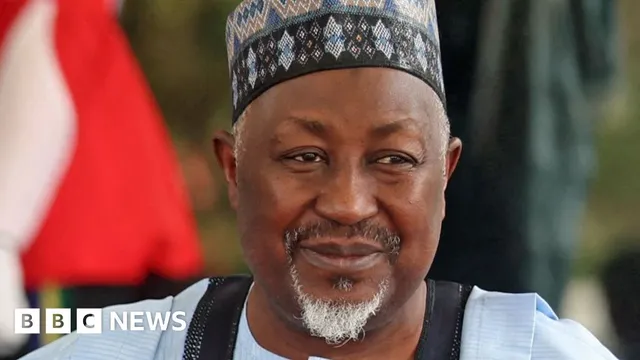
Nigeria's defence minister resigns amid escalating kidnapping crisis
Nigeria's defence minister resigns amid escalating kidnapping crisis
- Mohammed Badaru Abubakar resigned as Nigeria's Minister of Defence on health grounds.
- His resignation comes amidst heightened security challenges, including a spate of mass kidnappings.
- The government is faced with public pressure and has declared a national security emergency.
Story
Nigeria is currently facing severe security challenges, characterized by a series of mass kidnappings that have caused national distress. The most recent incidents involved the abduction of at least 402 individuals, including numerous schoolchildren, since mid-November. The alarming state of security has drawn significant criticism towards the government, as it struggles to address the threats posed by criminal gangs and potential jihadist groups. In response to these ongoing dilemmas, Nigerian President Bola Tinubu declared a national security emergency and announced plans to bolster the police force by recruiting an additional 20,000 officers to combat the escalating crisis. In this fraught environment, Nigeria's Minister of Defence, Mohammed Badaru Abubakar, submitted his resignation, which was accepted promptly by the president's office. The 63-year-old official cited health reasons for his unexpected departure, which coincided with intensified public scrutiny over the government's inability to control security threats. Abubakar, who had previously served as the governor of Jigawa state and played a significant role in Tinubu’s presidential campaign, was appointed to his ministerial post in August 2023. The reasons behind Badaru's health issues remain unclear, but they took precedence over his duty during a tumultuous period in the nation's history. The resignation announcement came shortly after a wave of kidnappings, including one involving at least 20 individuals engaged in a religious ceremony. This event starkly highlights the challenges facing Nigerian authorities, as they contend with the ramifications of insecurity amidst the ongoing threat of mass abduction. With fears growing among citizens, community members are increasingly apprehensive about their safety, particularly regarding their vulnerable youth. President Tinubu has been urged to act decisively, and his administration's handling of these incidents will likely be a defining factor in public opinion and future elections. As the situation develops, the Nigerian Senate is anticipated to receive information regarding Abubakar's successor later this week. While the government races to reinforce police capabilities, the underlying issues that facilitated the rise of kidnapping and criminal gangs in Nigeria remain a critical concern. The outcomes of these efforts will have a significant impact on the nation’s future, as the populace watches closely to see if effective measures can be enacted to secure public safety and confidence.


