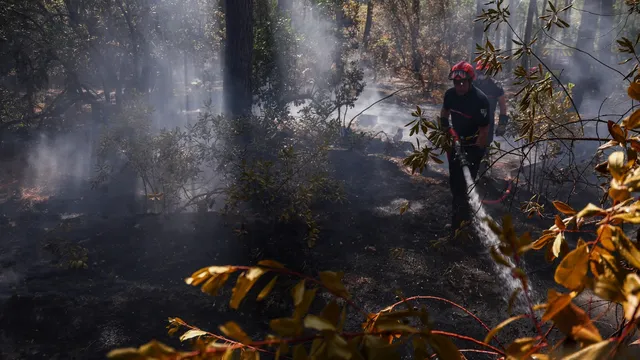
Climate change has emerged as a significant factor influencing the frequency and intensity of wildfires across Europe. Rising temperatures, prolonged droughts, and shifting precipitation patterns have created an environment conducive to wildfires. The Mediterranean region, in particular, has experienced a marked increase in fire incidents, with hotter summers and drier conditions exacerbating the risk. The interplay between climate change and human activities, such as land use changes and forest management practices, further complicates the wildfire landscape. As a result, the impact of climate change on wildfires is not only a matter of environmental concern but also poses serious threats to public safety, biodiversity, and economic stability in affected regions.
The increase in wildfire occurrences can be attributed to several climatic factors. Average temperatures in Europe have risen significantly, with projections indicating that they may increase by 1.5 to 2 degrees Celsius by the end of the century if current trends continue. This warming trend leads to earlier snowmelt and reduced soil moisture, creating ideal conditions for wildfires to ignite and spread. Additionally, the frequency of extreme weather events, such as heatwaves and storms, has intensified, further contributing to the wildfire risk. The combination of these climatic changes has resulted in longer fire seasons, with some areas experiencing wildfires that last for months rather than weeks.
The ecological consequences of increased wildfires are profound. Forest ecosystems, which are vital for carbon storage and biodiversity, are severely impacted by fire events. Species that are unable to adapt to the changing conditions face the risk of extinction, while invasive species may thrive in the aftermath of wildfires, altering the natural balance of ecosystems. Furthermore, wildfires release significant amounts of carbon dioxide and other greenhouse gases into the atmosphere, exacerbating climate change and creating a vicious cycle. The loss of vegetation also leads to soil erosion and degradation, which can have long-term effects on land productivity and water quality.
In response to the growing threat of wildfires, European governments and organizations are increasingly prioritizing fire management strategies. These include improving forest management practices, enhancing early warning systems, and investing in community education and preparedness programs. Collaborative efforts across borders are essential, as wildfires do not recognize national boundaries. By addressing the root causes of climate change and implementing effective wildfire management strategies, Europe can mitigate the impacts of wildfires and protect its natural and human resources for future generations.