

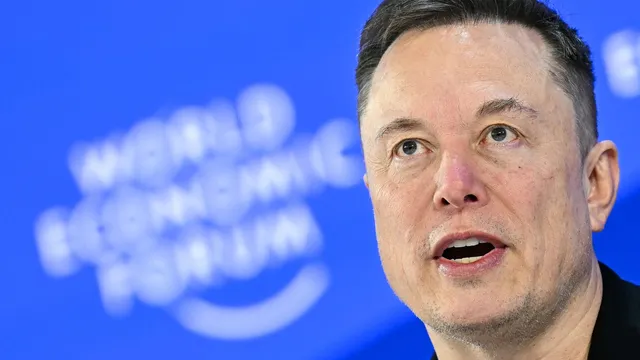
Elon Musk's lawyer reveals widespread juror bias against him in trial
Elon Musk's lawyer reveals widespread juror bias against him in trial
- A civil trial regarding Elon Musk's acquisition of Twitter began in San Francisco, where he faces allegations of misleading investors.
- Many prospective jurors expressed strong negative feelings towards Musk, leading to concerns about bias during the selection process.
- The outcome of the trial may influence perceptions of public figures in legal situations and their impact on jury decisions.
Story
In February 2026, a civil trial in the United States involving Elon Musk regarding his acquisition of Twitter began in San Francisco. Investors are suing Musk, claiming he made misleading statements about bot accounts on the platform, impacting Twitter's stock price. The selection process for jurors was notably lengthy, enduring over five hours and involving a pool of 93 Americans, of which only nine jurors were ultimately chosen. The significant bias against Musk among the jurors was highlighted by his attorney, Stephen Broome, who expressed concerns during the selection process, stating that many potential jurors admitted to having strong negative feelings toward Musk. U.S. District Judge Charles R. Breyer responded to this extraordinary circumstance by acknowledging the unique position Musk holds as a public figure, comparable to a president who elicits a wide range of opinions. Judge Breyer emphasized the importance of jurors being able to set aside their biases, setting a precedent that the case's nature demands careful consideration. Musk’s public influence and previous comments about the acquisition are likely to continue affecting the jury's perception throughout the trial. Musk's controversial $44 billion acquisition of Twitter began with a deal reached in April 2022, however, his indecision and public statements regarding spam and bot accounts caused turmoil. On May 13, 2022, Musk tweeted that the deal was on hold pending verification of the claims surrounding bot accounts. This announcement resulted in a 9.6% drop in Twitter's stock value, further complicating matters. His legal team faces a challenging task in convincing the jury of his credibility against the backdrop of public sentiment, as the investors argue his statements were misleading and resulted in financial losses. The class action trial is anticipated to last for about two weeks, with proceedings expected to delve into Musk's actions and statements during the acquisition. The implications of this trial extend beyond the courtroom, as they may influence how public figures are perceived during legal proceedings and the degree to which their public personas can affect jury proceedings. As the trial progresses, the factors leading to Musk's legal challenges and the resulting investor apprehension will be key points of focus.
Context
Bias in jury selection in high-profile cases is a significant concern that influences the fairness and impartiality of the judicial process. The jury selection process is intended to ensure that the jurors who sit on a case are unbiased and capable of rendering a verdict based solely on the evidence presented in court. However, in cases that attract extensive media coverage and public interest, the potential for bias increases. Factors such as pretrial publicity, juror preconceived notions, and the personal backgrounds of potential jurors all contribute to the challenge of creating an impartial jury. Understanding these biases is crucial for protecting the integrity of the legal system. One mechanism through which bias in jury selection manifests is the use of peremptory challenges. These challenges allow attorneys to dismiss potential jurors without providing a reason, which can lead to the exclusion of jurors based on race, gender, or socioeconomic status. High-profile cases often see intense scrutiny of these challenges, as they can disproportionately affect marginalized groups. Research has shown that when jurors from diverse backgrounds are excluded, the likelihood of a verdict that reflects the community's values diminishes, thereby undermining the fairness of the trial. This raises ethical questions about the objectives of jury selection and the persistent inequalities embedded within the judicial framework. Judicial reforms have been proposed to address the biases in jury selection, including greater transparency in the peremptory challenge process and efforts to educate attorneys about implicit biases. Some jurisdictions have implemented measures such as implicit bias training and standardized jury selection procedures to ensure a more equitable process. Additionally, jury selection patterns are being scrutinized more closely by courts and advocacy groups, bringing attention to systemic issues that need to be addressed. By prioritizing the selection of a jury that reflects the community and by recognizing the impact of biases, the legal system can move closer to achieving true justice. Ultimately, the challenge of bias in jury selection, particularly in high-profile cases, demands ongoing attention and action from legal practitioners, the judiciary, and society at large. Addressing this issue is vital to upholding the principles of justice and ensuring that all parties receive a fair trial. As the public continues to engage with legal outcomes shaped by jury decisions, a commitment to mitigating bias will foster trust in the system and protect the rights of defendants and victims alike.


