
politics
controversial
update

DOJ fails to release full Epstein files despite legal deadline

Jan 16, 2026, 8:16 PM60
(Update: Jan 20, 2026, 8:37 PM)
American lawyer and politician

DOJ fails to release full Epstein files despite legal deadline

  • The Department of Justice has released only a small fraction of the Epstein documents mandated by law.
  • Critics allege that key information is being withheld or redacted selectively, affecting victim privacy.
  • The ongoing delays and reluctance to fully disclose documents have raised concerns over transparency and accountability.
Share your opinion
6

Story

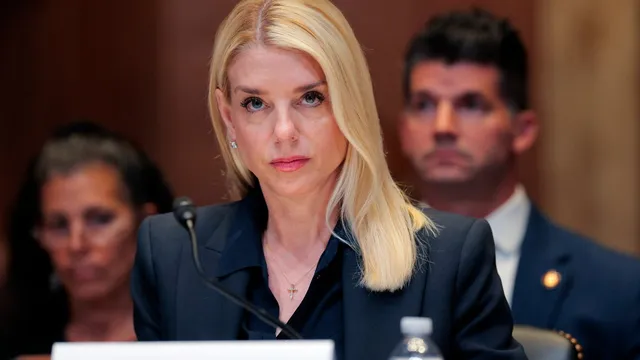
In the United States, the Department of Justice has faced significant scrutiny for its handling of the Epstein files following the enactment of the Epstein Files Transparency Act. The Act, which was signed into law on November 19, mandated the DOJ to release all unclassified records relating to Jeffrey Epstein by December 19, 2025. As of January 19, 2026, only a fraction of these documents has been made available to the public, with the DOJ reporting the completion of just over 12,000 documents out of the expected 2 million. The lack of transparency in releasing the files has drawn criticism not only from victims of Epstein but also from lawmakers who are concerned about potential misconduct by the department regarding the disclosures. Attorney General Pam Bondi has acknowledged that the process has been complicated by glitches, stating that hundreds of staff members are reviewing the files daily, but the delays have sparked allegations of obstruction of justice. Critically, accusations have emerged alleging that the DOJ is selectively redacting names of individuals who might be implicated in Epstein's crimes while leaving the identifying information of victims visible. This has heightened concerns regarding victim protection and the overall transparency of the investigation. Despite the DOJ's assurances that it is processing the materials diligently to protect victim privacy, Epstein survivors have expressed disappointment, claiming that the delays have compounded the trauma of their experiences and demanded greater accountability from the department. The situation remains tense as both the public and lawmakers await further information, with demands for a full investigation into the circumstances surrounding Epstein's death from his family and others underscore the troubling complexities involving powerful figures linked to the case. The political ramifications of these developments continue to evolve as bipartisan frustration emerges toward the DOJ's compliance with the Epstein Files Transparency Act.

Context

The Jeffrey Epstein case is a complex and multifaceted legal saga that spanned several decades and involved numerous allegations of sexual abuse, trafficking, and exploitation of minors. Epstein, a wealthy financier and convicted sex offender, was first arrested in 2005 in Florida after allegations surfaced that he was involved in the molestation of underage girls. In 2008, he struck a controversial plea deal that resulted in a light sentence of 13 months in a work-release program, a decision that drew widespread criticism from advocacy groups and legal experts. This deal, facilitated by former Miami U.S. Attorney Alexander Acosta, is often cited as one of the most egregious examples of leniency afforded to powerful individuals in the judicial system, sparking national outrage and calls for accountability. The plea deal also granted immunity to many of Epstein's co-conspirators, which complicated subsequent investigations and prosecutions. Following years of relative silence, Epstein was arrested again in July 2019, facing federal charges of sex trafficking minors in Florida and New York. The renewed investigations were partly fueled by the #MeToo movement, which brought greater attention to issues of sexual violence and accountability for powerful figures in society. Epstein's arrest reignited interest in his connections with high-profile individuals, including politicians, celebrities, and royalty, raising questions about the extent of his network and the potential complicit behavior of those in his circle. Public interest intensified when the details of his alleged activities and the extent of the abuse became more widely known, leading many to demand transparency and justice for the victims. Epstein's apparent suicide in his jail cell in August 2019, while awaiting trial, resulted in additional conspiracy theories and accusations regarding the circumstances surrounding his death. Official reports indicated that he died from hanging, but many speculated about foul play or negligence on the part of the Bureau of Prisons. His death marked a pivotal moment in the case, as it effectively prevented a full trial that might have revealed further details about his operations and connections. In the aftermath, lawsuits were filed by several of his victims, seeking accountability from his estate and associates. Estimates indicate that Epstein's estate has been valued at over $600 million, leading to ongoing legal battles over the distribution of his assets to compensate victims. In addition to civil suits, the Epstein case prompted investigations into high-profile individuals linked to him, including Ghislaine Maxwell, his former associate who was arrested in July 2020. Maxwell faced charges related to assisting Epstein in trafficking and sexually abusing minors. Her trial brought further revelations about Epstein's activities and chronicled the systemic failures that allowed such abuses to occur. The Epstein case has had a lasting impact on discussions around sex trafficking, abuse of power, and the need for systemic reform within legal and institutional frameworks to better protect children and vulnerable individuals. As of now, the legal repercussions and societal implications of the Epstein case continue to unfold, reminding society of the critical importance of accountability and justice.

2026 All rights reserved
