

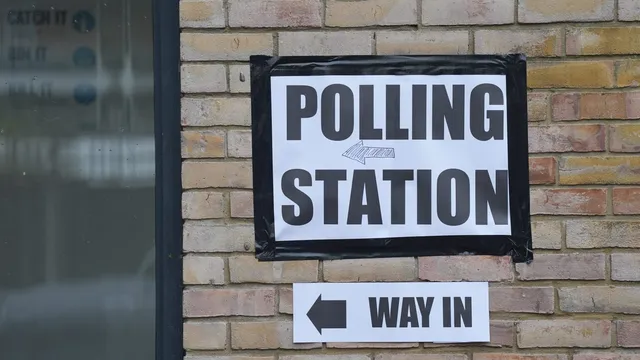
Labour-led councils delay May elections amid fears of voter backlash
Labour-led councils delay May elections amid fears of voter backlash
- Many councils in England are seeking to postpone local elections due to concerns about the capacity to conduct them amid government reorganization.
- Twenty-nine councils, primarily Labour-led, have confirmed they will request a delay to the elections originally set for May.
- The decision to delay elections has sparked outrage across opposition parties and raised questions about democratic processes.
Story
In England, concerns over local elections scheduled for May have led to significant requests for delays from numerous councils. Last month, the government outlined plans allowing 63 councils to postpone their elections until 2027 due to challenges faced in reorganizing local governance structures. As a result, 29 councils confirmed they would seek to delay elections primarily due to the strains of preparing for a major local government reorganization program set to merge two-tier authorities into single unitary councils by 2028. Most of the councils requesting these delays are led by Labour, which has drawn criticism from opposition parties who view these delays as a means to avoid accountability before the electorate. The Conservative party has been particularly vocal, accusing Labour of attempting to evade voter scrutiny by extending the term of their council members without a democratic mandate. This situation has raised alarm across the political spectrum, including concerns from the Electoral Commission regarding the legitimacy of the delayed elections and public confidence in local governance. Political leaders, like Liberal Democrat Party leader Ed Davey, have called for legislative changes to prevent the government from making such decisions unilaterally in the future, as many feel that the reasons cited for these postponements, especially concerns over logistical capacities, are inadequate. In response to this controversy, local government minister Alison McGovern has indicated that the government would consider legitimate concerns expressed by councils about managing simultaneous local elections and major transitions. This burgeoning conflict highlights the tensions between the need for effective local governance and the necessity of upholding democratic principles within the electoral process, as some populations might find their right to choose their local representatives curtailed due to administrative challenges. As this scenario unfolds, it remains to be seen how the broader electorate responds when these elections ultimately take place, amidst ongoing accusations of power abuses and the validity of electoral processes under current conditions.


