

Russians escalate attacks with missile strikes and airstrikes in Ukraine
Russians escalate attacks with missile strikes and airstrikes in Ukraine
- The Ukrainian Defense Forces reported 130 combat clashes with Russian troops on February 22, 2026.
- Russian forces launched extensive attacks using missiles, airstrikes, and armored vehicles across multiple sectors in Ukraine.
- The situation highlights the ongoing escalation of conflict and its severe impact on civilian safety and humanitarian conditions.
Story
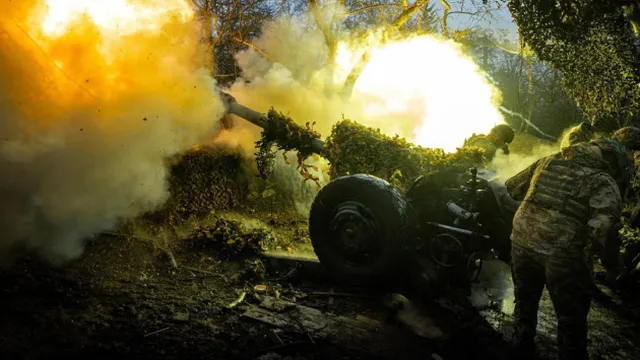
On February 22, 2026, Ukraine experienced a significant increase in combat engagements, with 130 clashes reported on the front line. The Defense Forces of Ukraine faced heavy fighting particularly in the Pokrovsk and Huliaipole sectors, where multiple attempts by Russian troops to advance were repelled. As part of the ongoing conflict, the Russian army utilized missile strikes, targeting various regions including Dnipropetrovsk and Zaporizhzhia. The attack included the use of 51 missiles and involved 95 airstrikes that released 244 guided aerial bombs, demonstrating an escalated level of aggression. The Ukrainian armed forces responded effectively, detecting and eliminating enemy forces as they approached their positions. In the Chasiv Yar area, they also reported the use of tanks and armored vehicles by the Russian army, which were met with defensive actions. The reports indicate that despite suffering significant casualties and the destruction of equipment such as UAVs and artillery, the Russian military continues to conduct offensives across various sectors. This relentless assault has resulted in tragic losses among civilians, adding to the escalating humanitarian crisis in Ukraine, as the conflict shows no signs of abating. The situation remains tense, with both sides preparing for further confrontations as the war persists.
Context
The ongoing conflict in Ukraine has been characterized by a variety of military strategies employed by both Ukrainian forces and Russian-backed separatists since its inception. The analysis of these strategies reveals a dynamic and adaptive approach to warfare, where both sides have integrated traditional and modern tactics to gain an upper hand. Ukrainian forces have primarily relied on a combination of defensive and offensive operations, utilizing their knowledge of local terrain and civilian support to sustain their military initiatives. This approach has included guerilla tactics, intelligence sharing among troops, and the gradual build-up of defenses in anticipation of larger offensive operations from opposing forces. Conversely, Russian military strategies have been marked by the use of hybrid warfare techniques, which blend conventional military might with irregular tactics. This has involved the use of advanced technology, cyber warfare, and disinformation campaigns aimed at destabilizing Ukrainian governance and inciting division among Ukrainian citizens. The hybrid approach has also been instrumental in leveraging the advantages of local separatist forces, thereby creating a multifaceted battlefield where distinguishing between combatants and non-combatants becomes increasingly challenging. In the analysis of the military strategies, it is evident that both parties have continuously adapted to the unfolding circumstances. The Ukrainian military has made significant strides in enhancing its capabilities, often resulting in successful counter-offensives that reclaim territory. Collaboration with international allies has been pivotal, with military aid and training providing crucial support. This external backing has enhanced Ukraine's operational ability to employ contemporary warfare tactics while increasing logistical efficacy in sustaining longer engagements. Looking forward, the strategies in Ukraine will likely continue evolving as both sides learn from battlefield experiences and influence from global powers. International dynamics, including sanctions against Russia and military support for Ukraine, will play a decisive role in shaping the future conflict landscape. As the war progresses into a more protracted phase, the interplay of military strategy, political objectives, and public sentiment will ultimately determine the outcomes for both Ukraine and its adversaries.


