

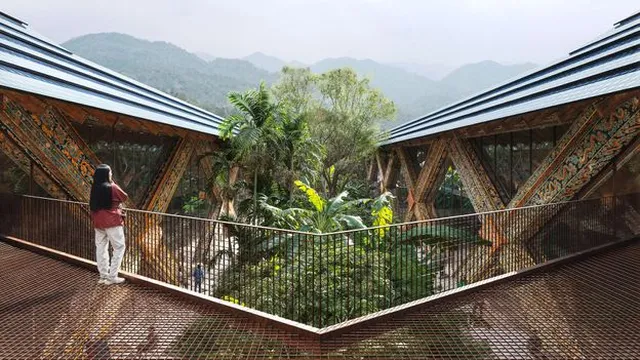
Bhutan builds new airport and city to transform travel experience
Bhutan builds new airport and city to transform travel experience
- A new airport is being developed in Gelephu, Bhutan, aimed at increasing accessibility for international travelers.
- King Wangchuck envisions the Gelephu Mindfulness City as a hub for sustainability and spiritual wellness.
- The developments are set to reshape Bhutan’s tourism landscape, making the country more inclusive and diverse in its offerings.
Story
Bhutan, a small Himalayan kingdom known for its commitment to sustainability and happiness, is taking significant steps to enhance its accessibility to international travelers through the development of a new airport and the ambitious Gelephu Mindfulness City (GMC). Conceived by King Wangchuck over a decade ago, this project aims to serve as a travel hub for visitors while encouraging economic investment and sustainability. The new airport will complement the existing Paro airport by facilitating more flights and reducing the challenges currently faced by travelers from Europe and North America. Additionally, GMC is set to create a large-scale urban environment that emphasizes spiritual wellness and work opportunities. The new airport, characterized by its unique design utilizing Bhutanese wood, is expected to handle up to 123 flights per day, allowing for a more comprehensive range of travel options to the southern region of Bhutan. Historically, the journey to Bhutan has been difficult, with Paro as the only international airport serving limited flights, making it exclusive and elusive. The strategic positioning of the new airport is crucial for attracting spiritual seekers, adventurers, and curious travelers who may have previously avoided this remarkable yet isolated kingdom. The ambitious plan aims not only to open up the region but also to help Bhutanese citizens flourish through job creation and investment. Furthermore, the integration of GMC with ecological and spiritual elements reflects Bhutan’s dedication to Gross National Happiness, which precludes purely commercial success in favor of holistic development. The presence of national parks nearby, such as the Royal Manas National Park, enhances the attractiveness of the region, as it is home to a rich variety of wildlife, making the area appealing to eco-tourists and outdoor enthusiasts alike. It also encourages more leisurely pursuits such as rafting and bird watching rather than solely focusing on mountain trekking. As construction continues on both the airport and the new city, the expectations are high for how this transformation will influence travel patterns and the socio-economic landscape of Bhutan. King Wangchuck's vision is clear: to create a Bhutan that is not only accessible but also richly diverse in experiences, ultimately paving the way for a future where both residents and visitors can thrive in harmony with nature. The new developments symbolize a fundamental shift in Bhutan's approach to tourism, where the past exclusivity gives way to a more inclusive future, reflecting a balance between growth and preservation of its cultural heritage.


