

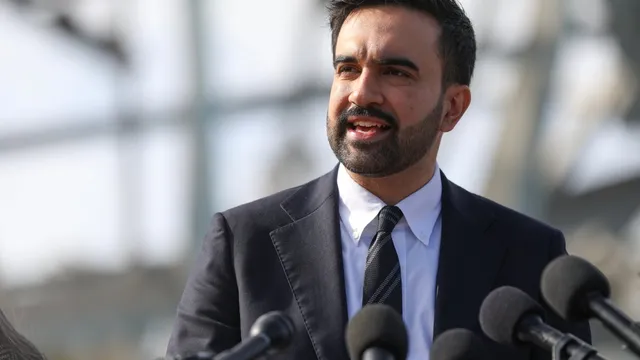
Zohran Mamdani urges immigrants to stand up against ICE overreach
Zohran Mamdani urges immigrants to stand up against ICE overreach
- Zohran Mamdani shared a video outlining immigrants' rights during encounters with ICE agents after a recent raid in Manhattan.
- He asserted that immigrants have the right to remain silent and refuse entry without appropriate judicial warrants.
- Mamdani's stance, while aimed at empowering the community, sparked controversy with accusations of potential constitutional violations.
Story
In the United States, New York City Mayor-elect Zohran Mamdani recently took a proactive stance advocating for the rights of immigrants by sharing a video on social media. This video appears shortly after federal agents executed a raid in Manhattan, intensifying concerns within the immigrant community about encounters with Immigration and Customs Enforcement (ICE). In his message, Mamdani emphasizes that immigrants have the right to refuse to answer questions from ICE agents and to remain silent when engaged by them. Mamdani highlights legal protections available to individuals, noting that ICE cannot enter private spaces, such as homes, schools, or workplaces, without prior judicial warrants signed by a judge. He offers concrete advice, encouraging individuals to assert their rights by saying, "I do not consent to entry" if agents lack proper warrants. This guidance is crucial as it aims to empower immigrants facing potential intimidation or unjust actions by federal authorities. The announcement from Mamdani is particularly significant given the backdrop of increased federal immigration enforcement in New York City, which has historically been a sanctuary for immigrants. His commitment includes safeguarding the rights of the over three million immigrants residing in the city. This move is part of his larger platform as he prepares to assume office on January 1. Protests against ICE activities in neighborhoods with substantial immigrant populations have garnered attention, showcasing the tension between local communities and federal enforcement actions. However, Mamdani's stance has drawn criticism from some political figures, including Department of Homeland Security Secretary Kristi Noem, who accused him of potentially violating the Constitution by instructing residents on how to evade law enforcement. She articulated concerns that his rhetoric might inspire violence against ICE agents, asserting that politicians should strive for productive discussions that could effectively change laws rather than encouraging evasion. As the discourse continues around immigration enforcement and community rights, Mamdani remains firm in his promise to protect immigrant communities while navigating the difficult landscape of public policy and safety. His message resonates in a city known for its resilience and support for diverse populations, signaling his administration's commitment to advocacy and legal education.
Context
ICE (U.S. Immigration and Customs Enforcement) warrants and the laws surrounding private property entry have become critical issues in recent years, particularly amid ongoing debates regarding immigration enforcement and individual rights. The agency is tasked with enforcing immigration laws in the United States, which can involve arrests of individuals believed to be violating immigration regulations. One contentious aspect of ICE operations is its authority to enter private properties, such as homes and workplaces, to detain individuals based on warrants. Understanding the legal framework governing these actions is essential for both property owners and those within the immigration system. Under U.S. law, ICE agents are generally required to obtain a warrant to enter a private property. However, there are exceptions to this requirement, particularly in cases of exigent circumstances where immediate action is necessary to prevent harm or escape. The Fourth Amendment protects citizens against unreasonable searches and seizures, emphasizing the need for warrants; however, the interpretation and enforcement of this amendment in the context of ICE operations are often debated. Additionally, some local jurisdictions have adopted policies that limit cooperation with ICE, which can complicate the enforcement of warrants and raise questions about property owners' rights in these situations. Local governments have taken varied approaches to ICE enforcement on private property, reflecting differing attitudes towards immigration policy and community safety. Some cities have fostered so-called 'sanctuary' policies that discourage local law enforcement from assisting ICE agents. This has prompted legal challenges and discussions on the extent to which local authorities can restrict federal enforcement actions. Property owners may find themselves caught in the middle of these tensions, navigating their rights to refuse entry while also being aware of the legal implications of allowing or denying access to federal agents upon presentation of a warrant. Furthermore, awareness and education about the rights of property owners and residents regarding ICE warrants are crucial. Individuals often do not fully understand their rights when approached by ICE agents. It is vital that communities engage in discussions about legal rights in the context of immigration enforcement, ensuring that both property owners and residents are informed about what constitutes a lawful warrant, the circumstances under which agents may enter property, and the legal protections available to them. This knowledge can significantly affect how property entry laws are interpreted and enacted in practice, highlighting the importance of legal literacy in an increasingly complex immigration landscape.


