

Oldest known wooden tools discovered in Greece dating back 430,000 years
Oldest known wooden tools discovered in Greece dating back 430,000 years
- Two ancient wooden tools, dating back 430,000 years, were discovered in the Megalopolis Basin, Greece.
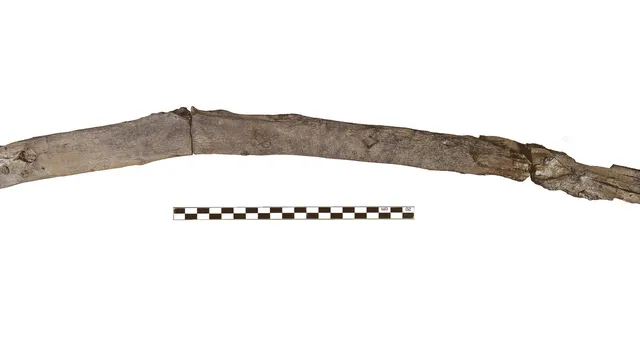
- The tools include a long stick potentially used for digging and a small piece of wood possibly used for shaping stones.
- The discovery sheds light on early human technology and hints at more archaeological treasures awaiting exploration.
Story
In Greece, researchers have made a groundbreaking discovery at an archaeological site in the Megalopolis Basin, revealing two artifacts that are the oldest known wooden tools, dating back an astonishing 430,000 years. These tools include a long stick, approximately 2.5 feet, likely used for digging in mud, and a smaller, enigmatic piece of willow or poplar wood that may have been employed to shape stone implements. Such finds are exceedingly rare because wooden artifacts typically decay quickly and are hard to preserve over long periods, making this discovery significant for understanding early human technology. The excavation in the Megalopolis basin, about 100 miles southwest of Athens, has a history of yielding valuable insights into early human activities. Past findings include stone tools and bones of large animals, like elephants, with evidence suggesting butchering by early humans. Although no direct dating methods on the wooden tools were applied, researchers deduced their age based on the geological context of the site, which has remained remarkably preserved by wet conditions and rapid burial by sediment. This exceptional preservation is crucial, as organic materials like wooden tools find it challenging to survive the test of time compared to stone artifacts. Researchers believe that these tools exhibit specific marks created by stone tools, indicating their intentional use, which enriches the narrative of how our ancestors might have interacted with the environment and utilized available resources. The lead author of the study, Annemieke Milks from the University of Reading, emphasized that the identification of such artifacts opens a window into a previously unrecognized dimension of early human technology and survival strategies. This discovery allows scientists to push back the timeline of known wooden tool use among early humans and expands the understanding of their geographic dispersal. Katerina Harvati, another co-author of the study, stressed the rarity of preserving organic materials such as wood, particularly at such an early stage of human history. The understanding that these wooden tools have been found in exceptional conditions not only highlights Greece's importance in the study of human evolution but also suggests the potential for more discoveries at this fertile archaeological site. Both authors agreed on the significance of these findings, as they illuminate aspects of technology used by early human ancestors that are otherwise poorly understood, and they invite further exploration and excavation that might uncover additional artifacts from this intriguing site.
Context
insight global insight analysis trends global economic global economic geopolitical strategic global trends impact geopolitical market economic insight analysis data geopolitical analysis data analysis impact insight data strategic strategic shift global policy insight global trends trends global impact data global insight strategic economic strategic economic trends economic impact data geopolitical economic shift geopolitical analysis economic insight strategic economic impact analysis strategic shift analysis strategic global geopolitical impact geopolitical impact impact policy impact strategic market data policy insight policy data geopolitical...


