

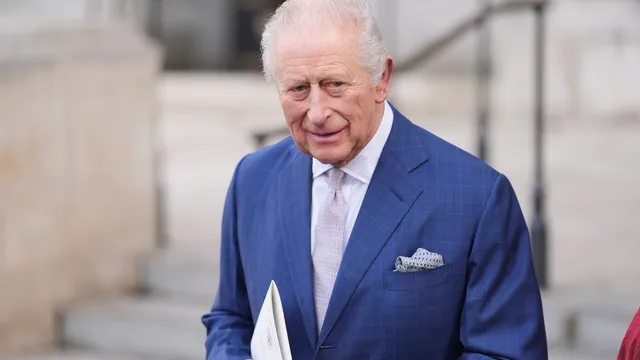
King Charles shares personal cancer journey to raise awareness
King Charles shares personal cancer journey to raise awareness
- King Charles will share a personal video message about his cancer experience during the Stand Up To Cancer campaign.
- The message will stress the importance of cancer screening and early diagnosis.
- This initiative aims to inspire awareness and encourage public participation in health checks.
Story
On December 12, 2025, King Charles of the United Kingdom will share a personal video message regarding his cancer experience, as part of the Stand Up To Cancer campaign. This campaign, jointly organized by Cancer Research UK and Channel 4, highlights the importance of cancer screening and early diagnosis. The King's message is set to broadcast at 8:00 PM GMT, just prior to a live show presented by Davina McCall, who has been personally affected by breast cancer. The King's openness aims to demystify cancer experiences and encourage others to engage in critical health screenings. The message was recorded in the morning room of Clarence House at the end of November, showcasing the King’s dedication to raising awareness about cancer and its treatments. While the specific type of cancer King Charles has was not revealed, his journey reflects the reality many cancer patients face in balancing health challenges with professional duties. His commitment to maintaining a busy public schedule despite ongoing treatment underscores his determination and resilience. He had previously postponed public engagements after his diagnosis on February 6, 2024, but resumed duties in April 2025. During a reception for cancer charities earlier this year, he discussed the daunting nature of cancer diagnoses and the compassionate care provided to patients. The Stand Up To Cancer campaign is designed not only to raise essential funds for cancer research but also to inspire millions to participate in health checks. Many celebrities, including Davina McCall, Adam Hills, and Clare Balding, who have been personally impacted by the disease, are involved in the campaign and aim to remove the stigma and fear surrounding cancer testing. The broadcast will include live segments from cancer clinics in Cambridge and serve to encourage around nine million individuals in the UK who are not up-to-date with cancer screening tests. The King's message and participation are vital components of a collective effort to improve public engagement with cancer screenings and ensure that those who might be fearful of diagnosis feel supported. The campaign concludes with a night filled with entertainment and the sharing of personal experiences to emphasize the need for early detection.
Context
Cancer screening programs are essential components of public health strategies aimed at reducing the incidence and mortality associated with various types of cancer. These programs facilitate early detection of cancer, which is critical for improving treatment outcomes and enhancing survival rates. By identifying cancers at an earlier stage, healthcare providers can offer more effective interventions, leading to better prognoses and potentially lower treatment costs in the long run. Screening programs also serve to educate the public about cancer risks and the importance of regular health check-ups, thus promoting a culture of preventive healthcare. Various methods are utilized in cancer screening, including imaging techniques, laboratory tests, and physical examinations. Common screening tests include mammograms for breast cancer, Pap smears for cervical cancer, and colonoscopies for colorectal cancer, each designed to detect early signs of the disease before symptoms develop. The success of these programs is often measured by screening rates and subsequent decreases in cancer-related morbidity and mortality. In regions where systematic screening is implemented, significant reductions in cancer incidence have been observed, highlighting the positive impact of these initiatives on community health. Despite the benefits, cancer screening programs face challenges such as accessibility, public awareness, and compliance. Disparities in healthcare access can result in certain populations being underrepresented in screening programs, leading to unequal health outcomes. Factors such as socioeconomic status, education, and cultural perceptions of health can greatly influence an individual's likelihood to participate in screening. Addressing these barriers through community outreach, education, and tailored interventions is crucial to ensure that all sections of the population are reached and that the potential benefits of cancer screening are realized globally. In conclusion, cancer screening programs play a pivotal role in promoting early detection, which is vital for effective cancer management. By raising awareness, ensuring access, and encouraging participation in these programs, public health authorities can significantly decrease cancer mortality rates and improve quality of life for individuals diagnosed with cancer. The ongoing evaluation of screening effectiveness and the adaptation of programs to meet the needs of diverse populations will be key drivers in the fight against cancer in the coming years.


