

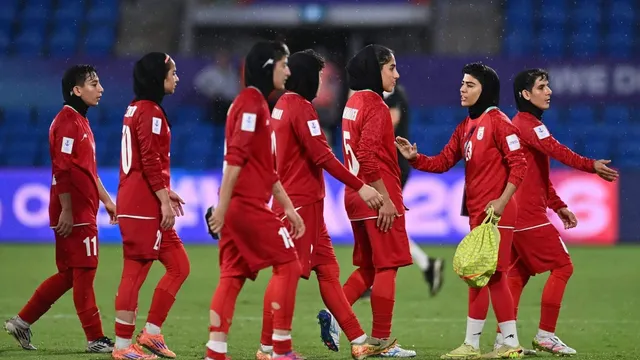
Two Iranian football players remain in Australia seeking asylum amid turmoil
Two Iranian football players remain in Australia seeking asylum amid turmoil
- Seven members of the Iranian women’s football team initially sought asylum in Australia after leaving their hotel due to safety fears.
- Five members, including team captain Zahra Ghanbari, decided to return to Iran under pressure from authorities.
- Two players, Fatemeh Pasandideh and Atefeh Ramezanisadeh, chose to stay in Australia, highlighting the difficult choices faced by athletes.
Story
Iran's women's football team faced significant challenges during their recent journey back home following the Asian Cup. After competing in Australia, the majority of the squad returned to Iran, where seven members, including six players and a support staff member, initially chose to seek humanitarian asylum in Australia due to safety concerns. They had fled their hotel amidst fears for their wellbeing, especially after the Iranian regime threatened them for not singing the national anthem against South Korea, labeling them as 'wartime traitors.' Five team members, including captain Zahra Ghanbari, reconsidered their options and decided to return to Iran after receiving pressure from the Iranian government, which allegedly included measures such as detaining family members. However, two players, Fatemeh Pasandideh and Atefeh Ramezanisadeh, opted to remain in Australia. They were seen training with the Brisbane Roar, and Pasandideh expressed optimism about their situation via Instagram. The Iranian players faced psychological warfare from authorities in both Australia and Iran, with reports of their phones being monitored and chaperoned by officials connected to the Iranian Revolutionary Guard Corps. The circumstances surrounding their decisions were complex, with potential risks existing for both their families in Iran and their own safety in Australia. The Iranian Football Association was contacted for its perspective on the situation. In conclusion, the incident highlights the intense pressures and difficult choices faced by athletes under authoritarian regimes, as well as the varying levels of safety and freedom athletes experience during international competitions.


