

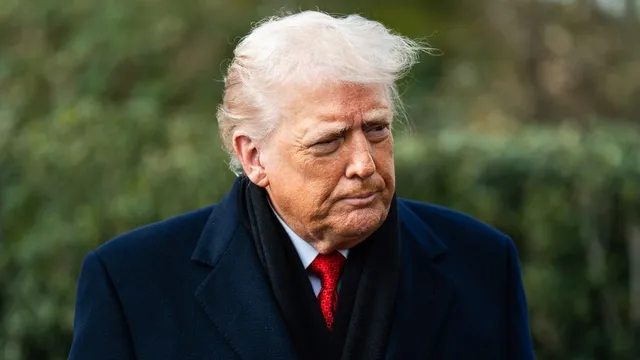
Donald Trump files $10 billion lawsuit against his own government
Donald Trump files $10 billion lawsuit against his own government
- Trump's $10 billion lawsuit against the IRS and Treasury Department has raised concerns about conflicts of interest due to his position as president.
- Experts and former federal officials are warning about the potential threat this legal action poses to the integrity of the courts.
- The lawsuit has sparked debate over its implications for the justice system and potential taxpayer consequences.
Story
In the United States, President Donald Trump filed a lawsuit against the Internal Revenue Service (IRS) and the Treasury Department seeking $10 billion in damages. This lawsuit reflects Trump's assertion that the IRS has caused him and his two oldest sons reputational and financial harm, as well as embarrassment and negative impacts on their business. The suit raises significant legal and ethical questions due to Trump's unique position as both the plaintiff and head of the executive branch overseeing the Justice Department. Four former federal officials have expressed concerns that the case threatens the integrity of the justice system, arguing that the potential for collusion exists because Trump has control over both sides of the litigation. Experts have weighed in, suggesting various outcomes for the lawsuit. Some legal scholars have pointed out the possibility that a judge could reject the case outright or determine that it is not appropriate for court proceedings, given the perceived conflicts of interest. There’s a strong argument to be made that the Department of Justice may not be able to defend public interests vigorously, as it typically would against other taxpayers, leading to concerns about fairness and the overall integrity of judicial processes. In this polarized political climate, such a high-profile lawsuit by a sitting president further complicates matters, as many see it as an unusual circumstance that could set disturbing precedents in U.S. law. If the lawsuit is successful, Trump has pledged to donate any winnings to charity, stating that 100% of the proceeds would go to charities approved by the government. However, ongoing discussions among lawmakers suggest serious implications for taxpayers, including proposals for a 100% tax on any litigation proceeds. This creates a debate on potential financial repercussions for the public if Trump were to succeed in his claims. Additionally, the political ramifications of this suit and its shareholders' interests remain to be thoroughly assessed, especially as discussions to strike the substantial $10 billion demand from the lawsuit are ongoing. The implications of this lawsuit extend beyond Trump's claims, as they challenge the roles and responsibilities of various government entities in the face of such extraordinary litigation initiated by a sitting president. Conversations around jurisdiction, potential stays on the lawsuit, and the appointment of independent counsel to navigate conflicts of interest are part of the ongoing discourse surrounding this controversial action. As this lawsuit progresses, it will undoubtedly capture attention and spark further debate about the balance of power in U.S. governance.


