

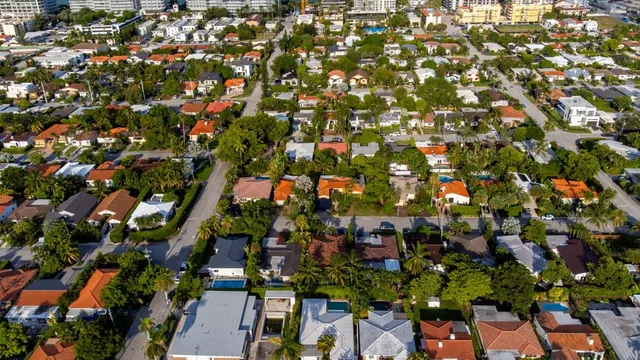
Florida's housing market struggles despite $137 billion wealth influx
Florida's housing market struggles despite $137 billion wealth influx
- Since the pandemic boom, Florida and Texas have experienced declines in domestic migration, leading to a surplus of sellers in the housing market.
- Florida is grappling with high home prices and insurance costs, which have made housing increasingly unaffordable for many residents.
- The overall housing market dynamics have shifted, causing many buyers to seek more affordable options in the Midwest, indicating a potential long-term trend away from Florida and Texas.
Story
Since the end of the pandemic, both Florida and Texas have seen significant changes in their housing markets, which are now edging towards crises. This shift began after the pandemic, when there was a surge of domestic migration to these states due to lower taxes and remote work opportunities. However, reports indicate that net migration to Florida has decreased by 93% from its pandemic peak, marking the lowest movement in 14 years. Texas has experienced a similar drop, with domestic migration down 65% from pandemic levels, nearing a 20-year low. The underlying cause behind this slowdown includes various factors, such as declining affordability that has made home buying difficult for many potential residents. The high cost of living and increased insurance premiums are leading to a hesitance among buyers who might have once flocked to these states. Additionally, the return-to-office policies are forcing some migrants back to coastal cities, further impacting the housing landscape. Florida, in particular, is facing a “triple squeeze” of escalating insurance costs, high home prices, and issues within the condo market. Median prices in Florida have surged by 67% since before the pandemic, while volume has notably dropped, with sales volume currently sitting 20% below pre-pandemic norms. This creates a situation where buyers are uncertain due to an abundance of inventory and drifting prices. In the context of this downturn, the Midwest has emerged as a more appealing alternative for homebuyers, given its affordability and resilience against climate-related disasters. The average home there costs around $150,000 compared to significantly higher prices in Florida, indicating a shift in demand towards more affordable markets. Despite the challenges faced by Florida and Texas, there are still opportunities for buyers willing to navigate the current environment. Analysts suggest that while the rapid growth seen in these areas may have cooled, demand remains for reasonably priced homes as people seek stability amidst rising costs.
Context
The impact of return-to-office policies on the housing market has been a topic of considerable discussion, particularly in light of the COVID-19 pandemic and the subsequent shift towards remote work. As businesses begin to implement return-to-office strategies, the potential repercussions on housing demand and pricing are becoming increasingly evident. Employees' preferences regarding their living arrangements have evolved, leading to shifts in urban and suburban real estate markets. The desire for larger living spaces, home offices, and access to amenities in suburban areas has grown, prompting a reevaluation of housing needs as more organizations adopt flexible work policies that allow for hybrid arrangements or full-time remote work options. This trend suggests a clear dichotomy in housing demand, with urban centers experiencing a decline while suburban and rural areas witness an influx of buyers seeking the benefits of more space and affordability. Moreover, the longevity of these return-to-office policies will ultimately shape housing market trends. As companies declare their long-term plans concerning remote work, employees are making significant decisions about where to live. Those who no longer require proximity to corporate office locations are reevaluating their options, hence creating a potential shift in the demographic makeup of neighborhoods. Areas that once thrived on the influx of urban professionals may now see a decrease in demand, causing home prices to stagnate or decline. Conversely, the demand for homes in suburban or rural settings may continue to rise, contributing to increased competition and escalating prices in those regions as remote work becomes normalized. Economic factors also play a crucial role in this evolving landscape. As interest rates fluctuate and inflation concerns loom, potential homebuyers are weighing their options carefully. The housing market's reaction to these factors will be influenced by return-to-office policies, as companies articulate their stances on flexible or in-person work. Simply put, as remote work becomes more entrenched in work culture, the anticipated return to traditional office environments is likely to have implications on not just housing inventory but also on how buyers perceive value in their real estate investments. In conclusion, the intersection of return-to-office policies and the housing market is complex and multi-faceted, reflecting a wide range of economic, social, and personal factors. As organizations commit to their workplace strategies, the subsequent effects on residential demand and pricing will likely persist. Ongoing studies and market analysis will be essential for understanding these trends comprehensively, as the evolving dynamics of work continue to shape consumer behavior and housing preferences. Stakeholders within the real estate industry must remain attuned to these developments, as adaptive strategies will be necessary to navigate the increasingly competitive market influenced by changing work habits.


