

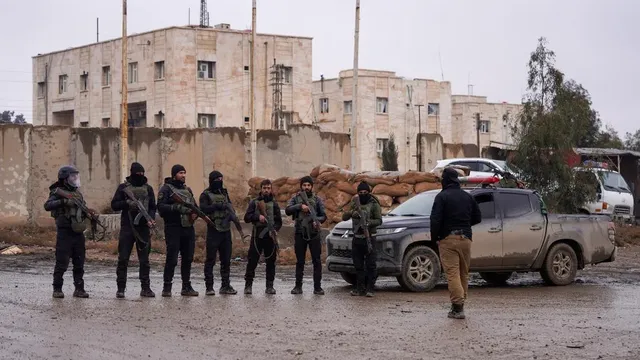
US military transfers fewer than 500 Islamic State detainees to Iraq amid global pressure
US military transfers fewer than 500 Islamic State detainees to Iraq amid global pressure
- Over 500 Islamic State detainees have been transferred from Syria to Iraq, with about 130 being Iraqi nationals and around 400 foreign fighters.
- The U.S. military slowed the transfer process following Iraq's request to negotiate with other countries about the repatriation of their nationals.
- The situation reflects the complexities Western governments face regarding the repatriation of their citizens involved with the Islamic State, impacting international relations.
Story
In Iraq, on January 30, 2026, the U.S. military reported a slowdown in the transfer of Islamic State detainees from Syria to Iraq. This decision came after Baghdad urged the repatriation of thousands of foreign jihadists held in Syria. Only 500 detainees were moved since transfers began on January 21, with concerns about the safe handling of foreign nationals leading to a temporary halt. The transfer included approximately 130 Iraqi nationals and around 400 foreigners, as reported by Iraqi officials and diplomats. This follows a long-standing issue where foreign fighters, captured in Syria and held for years, have remained in captivity without trials or accountability from their home countries. Iraqi officials expressed frustration over the prolonged detention of foreign nationals, as they had repeatedly called for foreign governments to reclaim their citizens who had joined the Islamic State. There have been significant reservations from Western nations regarding the repatriation of these individuals, largely due to fears of public backlash should they be brought home and subsequently freed. Some governments face a dilemma: they must consider the potential outrage of their constituencies if repatriated individuals receive lenient sentences or if they are tried and face the death penalty in Iraq. The U.S. military's slowdown was partially influenced by these international concerns, with Iraq requesting this pause to prepare for negotiations with other countries about accepting their nationals. Despite facing criticism for hosting detainees, Iraqi officials are actively working with the U.S. State Department to push Western nations to accept their citizens and ensure that justice is served in accordance with domestic laws. However, this situation illustrates the broader struggle over how to deal with foreign fighters captured during the conflict in Syria and the lingering repercussions of the Islamic State's activities in the region over the last decade. In summary, while transfers have begun, the reluctance of foreign governments to repatriate their citizens complicates the situation. The tense and ongoing discussions reveal the impact of international politics on the actions of both the United States and Iraq, highlighting the considerable responsibility placed on these nations to resolve the humanitarian and legal challenges posed by detained foreign fighters.


