

Senators demand investigation into UAE stake in Trump family's crypto venture
Senators demand investigation into UAE stake in Trump family's crypto venture
- Senators Elizabeth Warren and Andy Kim raised concerns regarding a reported $631.8 million investment in a U.S. cryptocurrency company.
- They requested an assessment from the Treasury Secretary regarding national security risks associated with foreign investments.
- The investigation reflects ongoing scrutiny of foreign influence in American technology sectors and highlights potential conflicts of interest.
Story
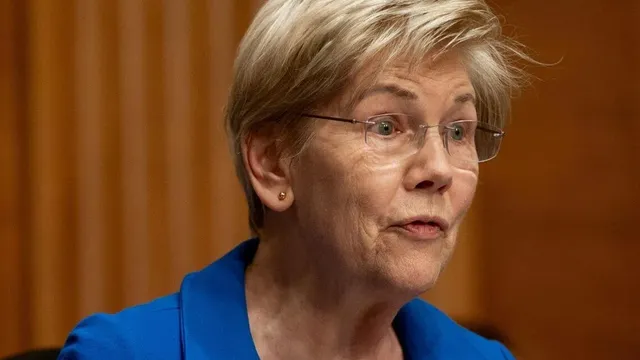
In the United States on February 13, 2026, Senators Elizabeth Warren and Andy Kim of the Senate Banking Committee wrote to Treasury Secretary Scott Bessent requesting an examination of a significant foreign investment in a cryptocurrency company. The investment in question involves a $631.8 million stake in World Liberty Financial, which is reportedly owned by the Trump family. They expressed concerns over potential national security implications arising from the involvement of the United Arab Emirates' national security adviser, who is linked to the investment through his oversight of G42, a company with prior scrutiny regarding its relationship with China. The senators questioned the adequacy of prior evaluations made by the Committee on Foreign Investment in the United States (CFIUS) concerning this deal and demanded assurances that any investigation would be thorough, unbiased, and prompt. In their correspondence, they highlighted that foreign investments, particularly from governments like those of the UAE and China, might expose sensitive American personal data and technology to risks. Despite recent efforts by the Trump administration to distance itself from the business aspect of Trump's holdings, such overlaps between foreign involvement and domestic companies continue to raise eyebrows. Warren and Kim also referenced a prior report by The Wall Street Journal, which indicated that the investment occurred just before Trump took office for his second term in early 2025. At that time, the U.S. had also approved the sale of advanced AI technology to the UAE. These connections complicate the narrative around foreign investments in crucial technologies and raise questions about the flow of sensitive information between U.S. entities and foreign governments, particularly those from hostile or rival nations. The broader implications of this situation could provoke significant scrutiny regarding the security frameworks in place for foreign investment in the U.S., especially in fields that overlap with national interests and technology protection. If CFIUS were to find that the investment posed a real threat to national security, it might lead to further regulatory reforms or even the unwinding of deals that could compromise American interests. The nature of the cryptocurrency venture adds another layer of complexity, as digital currencies and related technologies are rapidly evolving areas with potentially unpredictable outcomes on existing financial structures and regulatory standards.


