

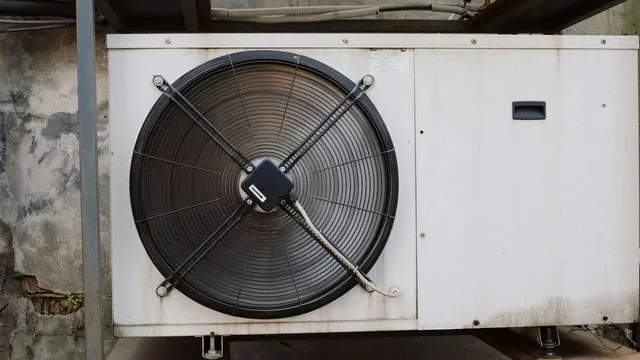
One dies and several injured after air-con compressor explodes at university
One dies and several injured after air-con compressor explodes at university
- An explosion caused by an air-conditioning compressor occurred at a private university in Kuala Lumpur.
- The blast resulted in the death of a 24-year-old contractor and injuries to at least nine individuals, including four students.
- Authorities are conducting investigations and the university has been ordered to complete a full safety inspection.
Story
On January 12, 2026, an explosion occurred at a private university in Kuala Lumpur, Malaysia, resulting in one fatality and multiple injuries. The incident took place in a maintenance area adjacent to the cafeteria on the university's fourth floor. As per Kuala Lumpur police chief Fadil Marsus, the deceased was a 24-year-old contractor who was engaged in repairs on an air-conditioning unit at the time of the explosion. Reports indicate that the blast was powerful enough to damage the structure of the walls in the vicinity, leading to injuries among at least nine individuals, including four students and two foreign workers employed at the university canteen. The injured persons were promptly transported to various local hospitals for medical attention, including the University Malaya Medical Centre, Kuala Lumpur Hospital, and Sungai Buloh Hospital. Authorities were alerted about the incident following a call received at 11:40 AM, and investigation processes commenced almost immediately. The preliminary investigation hinted that the explosion may have stemmed from issues related to the air-conditioning compressor. Fortunately, the area was not crowded with students at the time since many were on holiday, potentially preventing a larger tragedy. Following the event, the Malaysian Higher Education Ministry mandated a comprehensive safety inspection of the entire university campus. In their announcement, the ministry expressed condolences to the victims and their families, emphasizing the importance of ensuring campus safety and well-being for the higher education community. The ministry insisted that the university provide welfare support and medical assistance to all affected individuals. The Fire and Rescue Department has since confirmed that the area has been declared safe, but it is crucial that investigations continue to ascertain the exact causes of this distressing incident.
Context
Air-conditioning units play a vital role in maintaining a comfortable and healthy indoor environment within universities. However, with the reliability of such systems comes the responsibility of adhering to comprehensive safety protocols to ensure the safety of all users. This report aims to outline essential safety protocols for air-conditioning units in university settings. These protocols are critical in preventing accidents and ensuring efficient functioning while also considering the health and well-being of students and staff alike. Initial safety protocols involve regular maintenance and inspection of air-conditioning units. A comprehensive schedule for inspections should be established, encompassing all aspects of the system, including electrical components, ductwork, and filters. Maintenance personnel must be adequately trained to identify potential hazards, such as electrical overloads, refrigerant leaks, or contaminated filters. They're also tasked with ensuring the proper functioning of safety shutoff mechanisms, which are crucial in preventing accidents in case of system failures. Furthermore, clear signage and communication about the operation of air-conditioning units are essential. Users must be informed of the safety protocols they should follow, including the importance of keeping air intake vents clear and recognizing warning signs of malfunction, such as unusual noises or smells emanating from the units. Regular training sessions should be conducted for both staff and students to cultivate awareness regarding these procedures. Additionally, universities should implement a reporting system for malfunctions or hazards, empowering all users to contribute to the system's overall safety. Lastly, universities must consider emergency protocols in the event of a major system failure or hazardous exposure. This includes clear evacuation routes, the availability of emergency cooling solutions during breakdowns, and efficient communication channels for alerting affected individuals. Safety drills should incorporate scenarios related to air-conditioning failures, equipping students and staff with necessary responses. By embedding these safety protocols into university operations, institutions can mitigate risks associated with air-conditioning units and promote a secure learning environment.


