

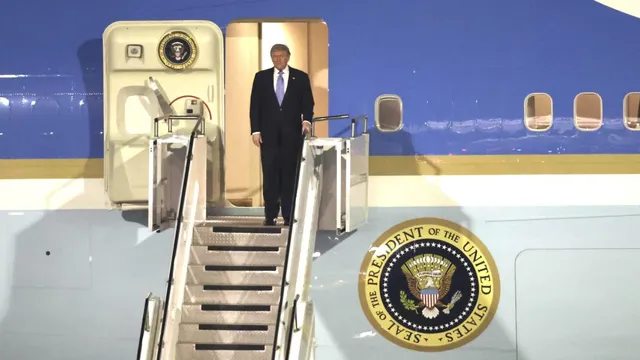
Trump and Xi seek to stabilize U.S.-China relations during Beijing visit
Trump and Xi seek to stabilize U.S.-China relations during Beijing visit
- Trump's visit to Beijing aims to improve U.S.-China relations.
- The trip includes discussions on trade, the Iran war, and Taiwan.
- Both leaders seek cooperation despite ongoing tensions and challenges.
Story
In May 2026, Donald Trump made a notable trip to Beijing, marking his first visit since 2017, with the objective of engaging in discussions with Chinese President Xi Jinping. The visit was significant as it occurred during a time of heightened tensions between the United States and China, characterized by an ongoing trade war, military competition in the Indo-Pacific, and issues related to Iran and Taiwan. Trump expressed hopes for Chinese cooperation to help achieve a peace agreement concerning the war in Iran, while China aimed to receive a U.S. statement opposing Taiwan's independence. During this visit, Trump met with business executives from sectors like agriculture and technology, including figures like Elon Musk and Tim Cook. The delegation's focus included potential agreements on agriculture, aerospace, and energy. Historically, visits by U.S. presidents to China have been rare, particularly following intense diplomatic exchanges and challenges in bilateral relations in recent years. The atmosphere created by this meeting suggested a mutual desire for stabilizing the relationship, despite entrenched positions on key competitive issues. The trip took place amidst criticisms and concerns about disruptive events in U.S.-China relations, such as China's recent regulatory actions against U.S. companies and Trump's previous imposition of tariffs on Chinese goods. Throughout his presidency, Trump had sought to position the U.S. and China as partners in addressing global challenges, often referring to their relationship as the “G2.” However, previous interactions had included contentious topics, like arms sales to Taiwan, which aggravated Beijing. As discussions unfolded, both leaders acknowledged the necessity of managing their nations' complex relationship effectively, while attempting to project a unified front on various global matters. Images of their interactions were anticipated to reassure the international community amid ongoing conflicts and competitive strategies. Overall, Trump's Beijing visit highlighted his continued mission to find collaborative paths forward in a relationship marked by both contention and potential cooperation.
Context
The significance of the meeting between Donald Trump and Xi Jinping cannot be overstated, as it encapsulates the complex dynamics of U.S.-China relations, which play a crucial role in shaping global politics and economics. This meeting represents an opportunity for both leaders to address pressing issues that impact not only their respective countries but also the international community. Historically, engagements between the two nations have been marked by a mix of cooperation and tension, emphasizing the necessity for dialogue and understanding. The meeting serves as a platform for both leaders to negotiate trade agreements, address security concerns in the Asia-Pacific region, and engage in discussions about climate change and other global challenges. Moreover, the implications of the Trump-Xi meeting extend beyond bilateral relations, affecting multilateral frameworks and global governance. With both leaders taking significant stances on issues such as tariffs, technology transfer, and intellectual property rights, their interaction has the potential to reshape the landscape of global trade and economics. A successful dialogue could pave the way for more stable economic ties and foster an environment conducive to cooperative efforts on shared challenges like the COVID-19 pandemic and environmental sustainability. Conversely, failure to find common ground may exacerbate existing tensions, leading to a potential trade war or escalation of geopolitical conflicts. Beyond economic and political spheres, the meeting's significance is also reflected in the global perception of both leaders and their domestic policies. For Trump, establishing a robust relationship with Xi may serve to reinforce his image as a strong leader capable of navigating complex international relations. Meanwhile, for Xi Jinping, engaging with Trump highlights China's growing influence on the world stage and its commitment to playing a proactive role in global governance. The symbolic nature of their meeting underscores the importance both nations place on leadership and the ability to project power and stability at home and abroad. In conclusion, the significance of the Donald Trump and Xi Jinping meeting lies in its potential to influence a range of issues that are critical for both nations and the world at large. The interactions between the two leaders can lead to important developments in trade, security, and global cooperation, making it an essential event to monitor. The outcomes of this meeting will likely have lasting effects on international relations and the balance of power, emphasizing the need for continued dialogue and engagement between these two global giants.


