

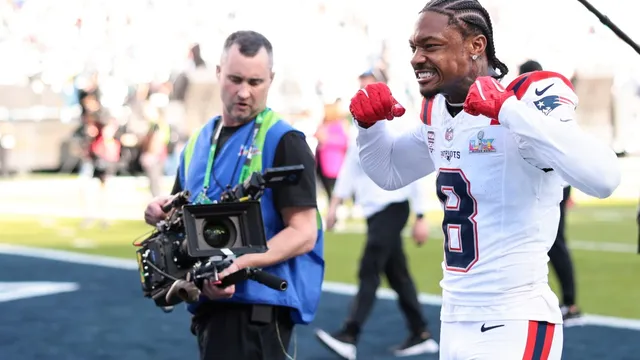
Josh Jobe punches Stefon Diggs in Super Bowl altercation
Josh Jobe punches Stefon Diggs in Super Bowl altercation
- Josh Jobe and Stefon Diggs engaged in a physical altercation during the Super Bowl, with Jobe knocking Diggs out of bounds.
- Despite the violent nature of their exchange, officials did not throw any flags during the incident.
- The incident underscored the potential consequences of player misconduct, likely leading to fines for both players.
Story
The Super Bowl took place on February 8, 2026, in Levi's Stadium, where an intense game turned even more heated during the fourth quarter. In a significant moment, Stefon Diggs of the New England Patriots and Josh Jobe of the Seattle Seahawks collided during a play that ended with the latter pushing Diggs out of bounds. This sparked a series of aggressive interactions as Diggs retaliated by grabbing Jobe’s facemask, which led to Jobe striking Diggs in the head area, including a punch that went unnoticed by the officials. The absence of penalties for these actions has raised concerns among analysts and commentators about consistency in officiating during important games like the Super Bowl. Terry McAulay, an NBC rules analyst, emphasized that the initial foul should have definitely led to a penalty. As the skirmish unfolded, Patriots’ quarterback Drake Maye capitalized on the emotional increase of the Patriots, leading to a touchdown pass shortly thereafter, narrowing the score to 19-7. Notably, after a long stretch with no touchdowns, the competitive nature of the game seemed to ignite both teams, with Seattle initially appearing to dominate. However, emotions ran high as players from both sides reacted fiercely during the exchange, indicating how tensions can escalate in high-stakes situations such as the Super Bowl. Following the incident, it is expected that both players will face fines from the league for their conduct during the altercation, although the extent of penalties remains uncertain. The game highlighted not only the thrill of competition but also the volatility of player interactions under pressure, setting a dramatic scene that many fans may remember for years to come.
Context
In football, player misconduct is governed by a set of rules and regulations that aim to maintain fairness and respect within the game. The governing bodies, such as FIFA and the relevant national associations, enforce these rules to ensure that the sport is played in a spirit of integrity. Penalties for misconduct can vary widely depending on the severity and nature of the infraction, ranging from simple cautions to more severe sanctions including suspensions and fines. This structured approach is intended to deter players from engaging in unsportsmanlike behavior, thus promoting a safer playing environment for all participants. One of the most common forms of misconduct addressed by these rules is violent conduct, which includes actions such as fighting or any form of assault against another player or an official. In cases of violent conduct, players can receive straight red cards, which lead to immediate expulsion from the match and a minimum suspension that varies depending on the competition regulations. Serious foul play is also met with similar penalties, highlighting the game’s zero-tolerance stance toward actions that could potentially injure other players. Additionally, other forms of misconduct incur penalties, such as persistent infringement of the rules, where a player receives multiple yellow cards over the course of a match or season. Accumulating yellow cards could lead to a suspension from subsequent matches. Other behaviors deemed as unsporting conduct, such as disrespecting officials or engaging in taunting, may also lead to fines or match suspensions as per the regulatory bodies' discipline codes. Moreover, any form of foul language or discriminatory remarks can lead to harsher penalties under the sport's commitment to promoting equality and respect. Enforcement of these rules is critical to ensuring that players understand the consequences of their actions. The processes for appealing decisions are also established within these regulations, allowing players and teams to contest penalties they believe were unjustly imposed. This system of penalties and appeals not only serves to uphold discipline within professional leagues but also sets a standard for amateur levels of play, fostering a culture of respect and sportsmanship at all levels of football.


