

Iran executes three men linked to January protests amid crackdown
Iran executes three men linked to January protests amid crackdown
- Israel's military operations have targeted Basij forces to undermine Iran's domestic control.
- The Basij maintains a strong presence in Tehran despite ongoing airstrikes and executions.
- Recent executions serve as a warning against dissent, reflecting the regime's hardline stance.
Story
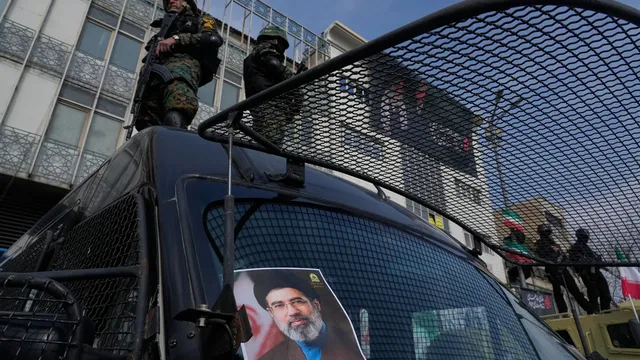
In recent weeks, Israel has intensified its military operations against Iran’s Basij forces, which have been instrumental in maintaining the Islamic Republic’s internal order, particularly during nationwide protests that erupted earlier this year. The Israel Defense Forces have conducted a series of strikes targeting high-ranking officials and essential infrastructure of the Basij and the Revolutionary Guard, aiming to disrupt their ability to enforce loyalty to Iran’s leadership. On March 11, Israel launched 15 documented strikes on various checkpoints, targeting locations in Tehran where the Basij maintains a physical presence, often set up in a manner reminiscent of old political regimes. Local residents report increased security force activity, with new checkpoints emerging throughout Tehran. These checkpoints inspect vehicles, scrutinize documents, and occasionally demand to see personal devices, creating an atmosphere of fear and suppression. Despite the onslaught of military actions against them, the Basij remain resilient; an estimated third of the strikes have been aimed at crippling their leadership, yet the organization has continued to deploy its forces, suggesting a robust capacity to absorb losses and maintain control during turbulent times. Iranian authorities have also continued to crack down on dissenters, detaining individuals associated with the January protests, which were quelled violently. As tensions rose, Iran announced the execution of three men convicted in connection with the January protests, marking a grim milestone and signaling the government's willingness to employ extreme measures to deter further unrest. This execution is seen as a stark message to protestors and potential dissenters – a warning that actions against the state will have dire consequences. Furthermore, the comprehensive internet blackout imposed since January has further complicated communication for those seeking to mobilize against the regime, with information increasingly being transferred through alternative means like Starlink. This keeps a certain degree of external visibility on the dire situation within the country but exposes the reliance of citizens on technology amidst a clampdown on information flows. Meanwhile, the continued presence of armed security forces throughout the capital, coupled with an escalation in military operations by Israel, has created a precarious situation. Many Iranians remain hesitant to voice their grievances publicly, fearing reprisals from a government that has indicated it will respond ruthlessly to any signs of dissent. Analysts warn that this cycle of violence and suppression could destabilize the region further if international pressures do not result in effective negotiations aimed at addressing the underlying issues fueling the unrest. The growing unrest alongside such governmental crackdowns highlights the significant internal divisions and public discontent, which may continue to manifest in various forms if left unaddressed by both Iranian authorities and the international community.


