

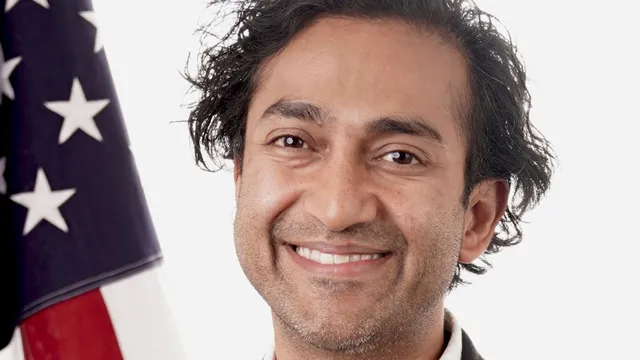
FDA vaccine chief Dr. Vinay Prasad resigns amid controversy
FDA vaccine chief Dr. Vinay Prasad resigns amid controversy
- Dr. Vinay Prasad will leave his position at the FDA's Center for Biologics Evaluation and Research by the end of April, according to an agency spokesperson.
- His tenure has been characterized by criticisms regarding vaccine approvals and controversial statements regarding COVID-19 vaccines.
- The agency is expected to appoint a successor before his departure, marking a significant transition in leadership.
Story
In the United States, the Food and Drug Administration's (FDA) vaccine chief, Dr. Vinay Prasad, is set to leave the agency at the end of April, shortly after facing significant criticisms regarding his actions and statements during his tenure. Dr. Prasad had been appointed as the director of the FDA’s Center for Biologics Evaluation and Research last year, a role that plays a crucial part in the regulation of vaccines and other medical products. His leadership, however, was marked by controversies that began almost immediately after his appointment. In July, shortly after taking up the position, Prasad briefly stepped down amid disputes related to the agency's decision to halt shipments of a gene therapy intended to treat Duchenne muscular dystrophy, a rare neuromuscular disorder. Though he returned to his role within two weeks, the controversies surrounding his decisions did not cease. In the following months, he faced backlash due to delays and rejections of applications for several treatments aimed at rare diseases, including those for individuals suffering from a rare type of blood cancer. These decisions raised concerns among various members of the pharmaceutical industry and medical community. The situation intensified further when, in November, Prasad's memo to FDA staff claimed that COVID-19 vaccines had resulted in the deaths of at least ten children, asserting that reliable data on the vaccines' benefits for healthy children was lacking. This statement led to widespread condemnation from twelve former FDA commissioners, who refuted his claims in a publication in the New England Journal of Medicine. Contradictorily, research conducted by the Centers for Disease Control and Prevention has consistently shown that COVID-19 vaccines and boosters offer protection against severe illness in children. As Prasad's departure approaches, FDA Commissioner Marty Makary confirmed that during his time, the agency achieved a record number of approvals in December. He acknowledged Prasad's accomplishments during his one-year sabbatical from the University of California, San Francisco, as they prepare to appoint a successor. Prasad will return to academia following his time at the FDA, marking the end of a tumultuous period characterized by conflict and scrutiny regarding vaccine policies. Before his appointment to the FDA, Prasad was notably critical of vaccine and mask mandates introduced during the pandemic, raising questions about the adequacy of data supporting the authorization of COVID-19 booster shots. His leadership at the FDA was underscored by disputes and policy decisions that have left a significant impact on public health discussions surrounding vaccines and treatments for various conditions.


