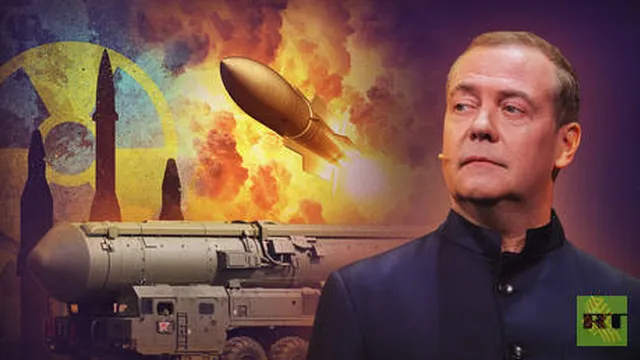
As of January 2026, the New START treaty between the United States and Russia has officially expired, lifting the legally binding limits on nuclear arsenals for both nations. Originally signed in 2010 and extended in 2021, the agreement capped the number of deployed strategic nuclear warheads and launchers on both sides while establishing essential verification and transparency measures. With its expiration, experts fear a return to a situation reminiscent of the Cold War may ensue as neither country is legally bound to limit their nuclear arsenals. The treaty has been viewed as vital for maintaining global stability and preventing an arms race.
In the lead-up to its expiration, US President Donald Trump suggested that the US could let the treaty lapse to negotiate a better deal. Kremlin spokesman Dmitry Peskov remarked on the complexities involved in replacing the New START treaty, asserting that waiting for a formal response from the US has been frustrating as the deadline approaches. He indicated that allowing the agreement to expire might create significant gaps in nuclear legal frameworks, endangering both nations' interests, as well as global safety. Russian President Vladimir Putin had previously proposed maintaining adherence to the treaty's numerical limits for an extra year should the US reciprocate.
The implications of the treaty's expiration go beyond mere numbers. Analysts believe that the lack of a governing framework will diminish transparency and trust between the United States and Russia. As of now, experts agree that there may not be an immediate risk of an arms race or a rapid increase in nuclear armaments, with the integrated deterrence systems established over the years proving effective. However, the situation could lead to complications in negotiations concerning missile defense and transparency, fundamental components for maintaining equilibrium between nuclear powers.
The absence of an arms control agreement raises concerns about how other nuclear-capable nations, particularly China, will respond. The United States has expressed a desire to engage Beijing in discussions about nuclear deterrence, as China's armament capabilities are expanding rapidly. The current geopolitical dynamics make establishing a trilateral negotiations framework challenging, given China’s reluctance to participate. The expiration of the New START treaty thus marks a critical juncture, not only for US-Russia relations but globally, as the focus may shift toward defensive strategies rather than diplomatic arms reduction efforts.