

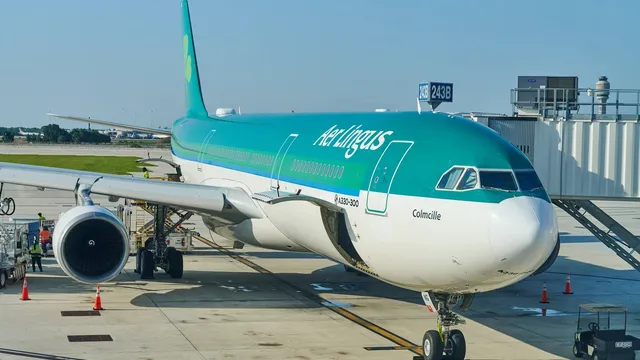
Aer Lingus flight faces emergency landing due to technical issues
Aer Lingus flight faces emergency landing due to technical issues
- An Aer Lingus flight from Barbados reported a technical issue before landing in Manchester.
- Emergency services were present during the landing, as is standard procedure for non-standard landings.
- The airline is considering closing its Manchester hub, affecting over 200 jobs amid ongoing disputes.
Story
On December 29, 2025, an Aer Lingus flight EI030, which departed from Bridgetown, Barbados, encountered a technical issue while approaching Manchester Airport. The incident occurred just before 8 am GMT, causing the aircraft to make an emergency landing on the runway. Emergency services were on standby, and the plane was met with these responders as a precaution when it successfully landed. All passengers were safely evacuated from the aircraft, ensuring their safety during the unexpected situation. This emergency landing was facilitated under airport protocols that prioritize passenger safety during non-standard landings. Manchester Airport's regulations dictate that airplanes facing any technical difficulties are met by emergency services rather than taxiing to the terminal, allowing for a swift assessment of the situation. The plane's landing was expedited due to the circumstances, giving it priority over others possibly waiting to land. Consequently, passengers were able to disembark safely at the runway, bypassing the standard procedure of reaching the airport gate. This incident has raised concerns about the operational status of Aer Lingus as the airline had recently considered closing its Manchester hub, which serves routes to various international destinations including Barbados, New York JFK, and Orlando. The decision to potentially close the hub has placed over 200 jobs at risk, particularly affecting 150 cabin crew members represented by the trade union Unite. The union's concerns are amplified by ongoing pay disputes between the airline and its staff, leading to multiple days of strikes at Manchester Airport in October. In the wake of the emergency landing, Aer Lingus has reassured passengers that safety was never compromised during the incident. However, the revelation of the technical issue raises questions about the airline's long-term operational capabilities and its performance in the competitive aviation sector. The Manchester hub's profitability has been under scrutiny, as Aer Lingus reported that the operational margins for long-haul flights from Manchester significantly lag behind those operating from Ireland. As the airline navigates financial uncertainties and internal disputes, the safety and reliability of its services remain paramount to maintaining passenger trust and securing its future operations.
Context
Strikes have historically had a significant impact on airline operations, affecting flight schedules, passenger services, and overall profitability within the aviation industry. These labor actions can arise from various grievances, including labor disputes over wages, working conditions, and job security. The consequences of such strikes not only disrupt the operations of the airlines directly involved but also create a ripple effect throughout the broader airline network, impacting passengers, cargo services, and associated businesses such as hotels and travel agencies. The scale of the disruption can vary based on the duration of the strike, the percentage of staff participating, and the airlines' ability to implement contingency plans to minimize operational disruptions. In the wake of strikes, airlines often experience a sharp decline in passenger confidence, leading to reduced bookings and cancellations. The immediate aftermath of a strike typically results in crowded airports, frustrated travelers, and heightened pressure on airline management to address the resulting chaos. Depending on the duration of the strike, airlines may resort to implementing temporary service adjustments, such as utilizing smaller aircraft, rerouting flights, or seeking labor agreements that may need to be renegotiated. This can result in significant financial losses for airlines, particularly if the basis of the strike does not align with operational efficiencies, as delays and cancellations can compound financial troubles due to compensation laws and adherence to passenger rights. Moreover, the implications of strikes extend beyond financial loss, as they can significantly tarnish an airline's reputation. Frequent strikes may steer customers toward competing airlines, while long-term impacts can result in a loss of market share that may take years to recover from. The industry operates on a delicate balance of consumer trust and perceived reliability; therefore, labor unrest can diminish the overall flight experience, forcing some passengers to reconsider their travel options in the future. Loyalty programs may also suffer as frequent travelers turn to other airlines, thereby diminishing the profitability of long-standing customer relationships and impacting brand equity. Airline management must navigate strikes proactively through robust labor relations strategies that focus on transparent communication and attempts at early resolution of disputes. Initiatives aimed at fostering a positive workplace culture and addressing employee concerns can serve as preventative measures against future strikes. Ultimately, navigating the complexities of strikes requires not only a strategic response but also an understanding of their long-term ramifications on the airline industry as a whole. By proactively addressing worker grievances and prioritizing employee engagement, airlines can minimize disruptions and maintain operational integrity, thereby safeguarding their business against the adverse effects of strikes.


