

Government attorney voices frustration amid immigration enforcement failures
Government attorney voices frustration amid immigration enforcement failures
- Julie Le, representing the Department of Homeland Security, expressed her frustration during a court hearing regarding the performance of the legal system against the backdrop of Operation Metro Surge.
- Her comments pointed to a lack of compliance with court orders and a high caseload that was overwhelming her ability to function effectively.
- The situation reflects deeper issues within the U.S. legal framework regarding immigration enforcement, provoking attention to the ongoing challenges faced by government attorneys.
Story
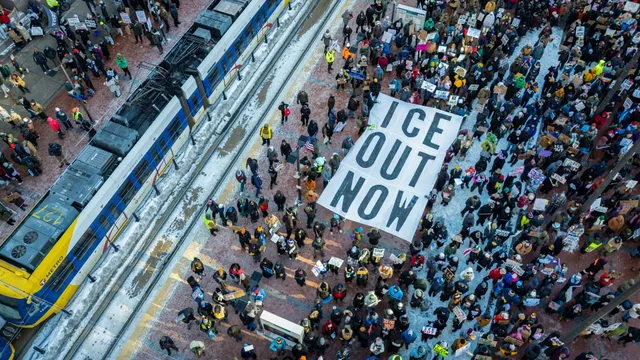
In February 2026, Julie Le, a government attorney for the Department of Homeland Security, was detailed to the U.S. Attorney's Office for the District of Minnesota during a significant immigration enforcement operation under the Trump administration called 'Operation Metro Surge.' During a court hearing in Minneapolis, Le openly expressed her frustration with the inefficiencies of the system, stating, 'This job sucks,' while addressing the court's concerns about the government’s failure to follow several orders regarding the swift release of wrongly detained immigrants. Her remarks highlighted broader criticisms of the challenges lawyers face amid intensified enforcement operations.] The context of her comments arises amidst heightened tensions and mass protests over the Trump administration's aggressive immigration policies, which have resulted in thousands of arrests since late 2025. The court was witnessing alarming noncompliance from various governmental departments, which reportedly had failed to adhere to numerous judicial orders in immigration cases. U.S. District Judge Jerry Blackwell expressed concern over the government's persistent inability to correct mistakes related to the release of detainees, criticizing the lack of effective communication and action from the agencies involved. Le's comments illustrate the mounting pressure faced by legal representatives under these circumstances and their struggle to meet judicial requirements effectively. In the wake of her remarks, it was revealed that she had been managing an overwhelming caseload of 88 immigration cases within a short span. This high volume of work, coupled with the complex nature of the cases, left her feeling inadequately trained and supported for the challenges of her role. Her candid outburst, which included a wish to be held in contempt by the judge for personal relief, signifies the stress and burnout many attorneys are experiencing within the current legal landscape of immigration enforcement. Le's situation is not isolated; her frustration sheds light on ongoing departures from the U.S. Attorney's Office in Minnesota due to ethical concerns and pressures related to fulfilling politically charged duties against the backdrop of the Trump administration's policies. There has been a notable exodus of experienced prosecutors resigning from their posts, indicating systemic issues within the legal ecosystem tasked with handling immigration cases. The resignations and comments from legal professionals, like Le, raise serious questions about the capacity of the Justice Department to handle immigration matters while maintaining fidelity to the rule of law and ethical standards.
Context
The impact of Donald Trump's immigration policies on the U.S. justice system has generated considerable discussion and analysis since his administration began. Primarily focused on stricter border control measures, these policies have had significant ramifications not just for immigration enforcement, but also for the wider legal system. Many critics argue that these policies foster an environment that often undermines the fundamental principles of justice, such as due process and equal protection under the law. The implementation of these policies frequently resulted in heightened law enforcement tactics, significantly increasing the number of immigrants detained or deported. Often, these actions were carried out with little regard for legal proceedings, leading to allegations of civil rights violations and loopholes that could circumvent judicial oversight. The zero-tolerance policy, which mandated prosecution for all illegal entries into the U.S., serves as a key example of how Trump's immigration strategy impacted the justice system. This policy led to the separation of families, creating major legal and ethical challenges in handling migrant cases. Such separations sparked outrage nationwide and highlighted the struggle to navigate the intersection between immigration law and child welfare. Courts became overwhelmed with cases arising from these policies, leading to backlogs that strained the judicial resources already facing numerous difficulties. Additionally, individuals caught in this web often faced criminal charges that could severely impact their lives, further complicating their pursuit of refuge and protection under U.S. law. Moreover, these policies have disproportionately affected marginalized communities, further amplifying existing disparities in the justice system. The enhanced policing coupled with fear and mistrust of law enforcement led many undocumented immigrants to avoid engaging with the legal system altogether, even in instances where they might have had legitimate claims or protections available to them. This avoidance of the legal process only serves to deepen the existing divide between immigrant populations and the systems established to protect their rights, leading to a further erosion of trust in the justice and immigration systems. As the effects of Trump's immigration policies continue to unfold, ongoing discussions regarding reform and the need for comprehensive immigration policy changes remain crucial. The potential for equitable legal processes that respect human rights and uphold the rule of law must be emphasized for the future integrity of the U.S. justice system. Understanding the complex interactions between immigration enforcement and justice administration will be critical to addressing the fundamental challenges that these policies have raised, ensuring fairness and justice for all individuals, regardless of their immigration status.


